How Did They Get $50M in Sales? The Road from Wheel Cleaning to Money Cleansing
Clean your wheels. Fill your bank account. TikTok has turned wheel cleaning into a goldmine. DIY tutorials featuring products like Chemical Guys’ kits are raking in $50 million, accounting for 20% of cleaning product sales on TikTok Shop.
Expert Insights
Chemical Guys (@chemicalguys) have mastered the art of viral content. Their TikTok videos showcase dramatic before-and-after transformations using products like the Diablo Wheel Gel. These satisfying visuals, combined with shoppable links, have significantly boosted their sales.
Rhino Shine (@rhinoshineuk) takes a more instructional route. Their TikTok tutorials provide step-by-step guides on using their non-acidic wheel and tire cleaners, emphasizing safety and effectiveness. This educational content builds trust and drives sales through TikTok Shop.
Our Take
The surge in wheel cleaning product sales on TikTok isn’t just about clean wheels—it’s about compelling storytelling and strategic marketing. Brands that combine visually appealing content with clear calls to action are reaping the rewards.
Action Items
Create Engaging Content: Capture satisfying before-and-after transformations using your products. Visual authenticity builds trust – and triggers impulse buys.
Leverage Shoppable Links: Make every video a path to purchase. Add TikTok Shop links so viewers can buy directly – right when they’re most engaged.
Educate Your Audience: Offer quick tutorials showing safe, effective use of your products. Educated customers are confident buyers – and more likely to return.
Conclusion
TikTok’s influence on consumer behavior is undeniable. By combining engaging content with strategic marketing, brands can tap into this platform’s potential to drive significant sales.
Written by Ani Mkrtchyan
Fiat’s Bold Move: Turning Apartments Into a Marketing Machine
Fiat just changed the game. Instead of just selling cars, they’re selling a lifestyle.
In 2024, the Italian automaker launched Fiat House, a 309-unit apartment complex in Fort Lee, New Jersey. The catch? Residents get access to Fiat’s electric 500e sedan as part of the deal. The entire building is decked out with Fiat branding, from its design to exclusive resident perks. (WSJ)
Why This is Genius
Fiat Gets Daily Brand Exposure: Located next to the George Washington Bridge, Fiat House is seen by thousands of commuters daily.
Hands-On Test Drives: Residents live with Fiat’s EVs, making them more likely to buy one.
Taps Into the Sharing Economy: Younger consumers love flexible car ownership. This gives them a taste of Fiat without the full commitment.
Lessons for the Auto Industry
Think Beyond Dealerships: Brand partnerships with real estate and hospitality could create new customer experiences.
Leverage High-Traffic Locations: Fiat put its brand where people see it daily—how can others do the same?
Make Products a Lifestyle Choice: Instead of just selling cars, sell a way of living. Fiat is proving that car marketing isn’t just about selling vehicles—it’s about creating experiences.
How Viral Wheel Videos Drive Sales: The Power of High-Impact Content for Wheel Brands
Ever wonder why some wheel brands sell out while others sit in stock? The answer isn’t just quality! It’s content. High-performance wheel videos and engaging wheel content can make all the difference.
In the age of social media and eCommerce, a strong wheel marketing funnel is the key to success.
Why Wheel Brands Need High-Impact Content
Wheels Agency by Hatch Pro Media specializes in creating high-quality eCommerce wheels content, viral videos, and full-scale marketing funnels for wheel brands.
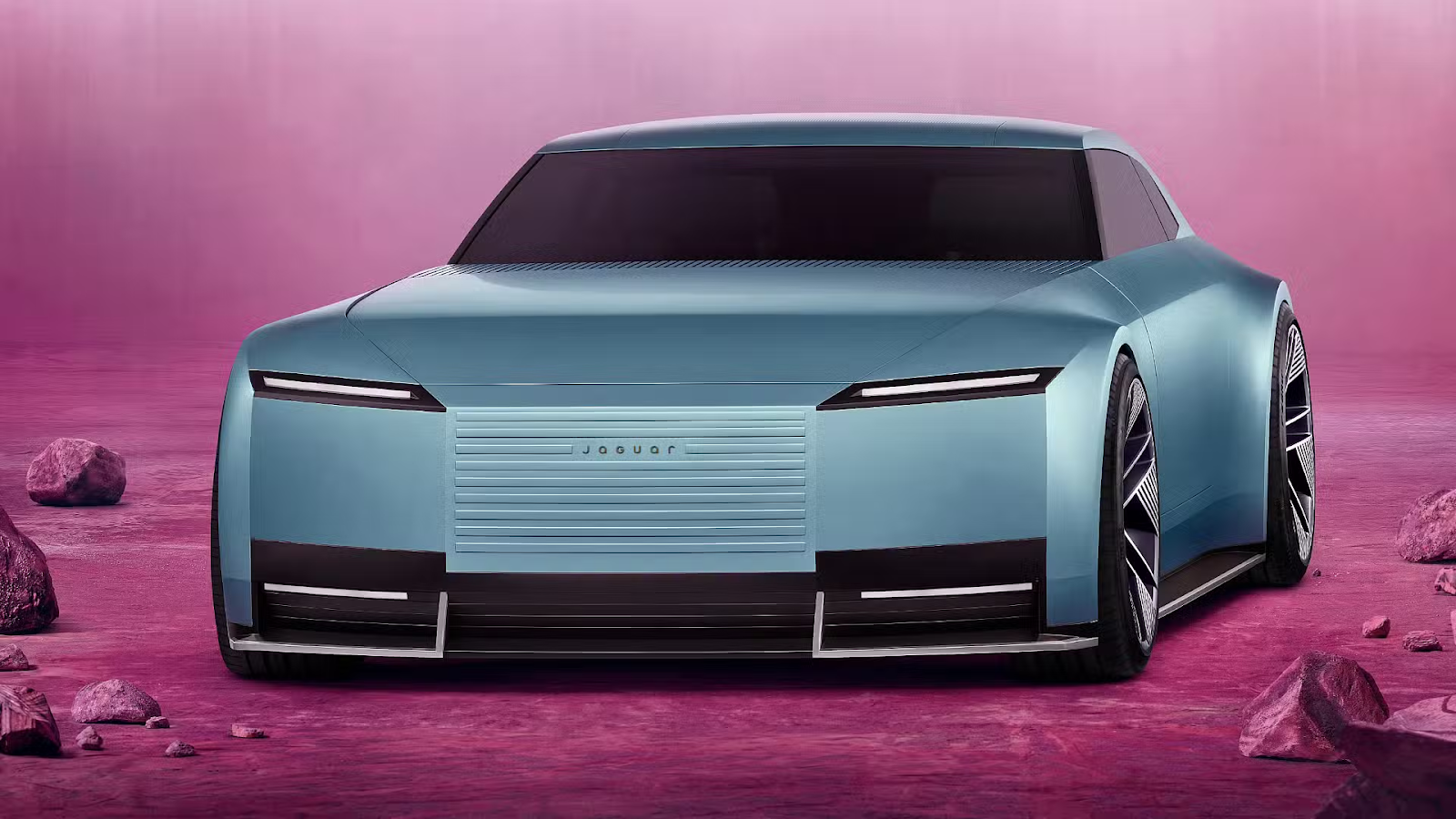
We recently crafted a 3D animation for the new Jaguar EV, designing every detail from scratch.
The results? A visually stunning, high-engagement campaign that showcased luxury wheels in action—exactly what today’s consumers crave.
Expert Insights on Wheel Video Marketing
Dr. Emily Carter, an automotive design specialist, highlights that 3D animation and high-quality content have transformed the automotive industry.
Visual content helps brands showcase their products in dynamic ways, making it easier for customers to visualize how wheels look on their vehicles. (trifaceinternational.com)
A recent report from The Business Research Company states that the 3D animation market will grow from $24.33 billion in 2024 to $26.63 billion in 2025, driven by increasing demand for digital content across industries, including eCommerce. (thebusinessresearchcompany.com)
How Hatch Pro Media Makes Wheel Content Go Viral
Our goal is simple: create wheel videos that convert. From concept cars to luxury wheels, we craft stunning visual experiences that make brands stand out. Here’s how:
Custom 3D Animations for Wheel Brands – We design hyper-realistic animations of your wheels on concept cars and EVs, setting your brand apart from competitors.
Viral Wheel Video Strategies – Our team optimizes each video for social media, ensuring your content reaches millions on Instagram, TikTok, and YouTube.
Complete Wheel Marketing Funnels – We don’t just create videos.
We build full marketing funnels, including landing pages, eCommerce integrations, and retargeting campaigns to turn views into sales.
3 Actionable Steps to Elevate Your Wheel Brand’s Marketing
Invest in High-Quality Wheel Content
Stop relying on basic product photos. Work with a professional agency to create 3D animations, cinematic videos, and interactive content that showcase your wheels in the best light.
Leverage Video for eCommerce Growth
Short-form videos on TikTok and Instagram Reels drive engagement and conversions. Focus on showcasing your wheels in motion and highlighting their unique designs.
Build a Full Marketing Funnel for Wheels
A great video isn’t enough. Combine video content with paid ads, email campaigns, and optimized product pages to maximize conversions.
Why Hatch Pro Media is the Ultimate Wheels Agency
At Hatch Pro Media, we specialize in wheel content for eCommerce, helping brands dominate their market with viral videos and full-scale marketing funnels. Whether you need a show-stopping 3D animation or a high-converting ad campaign, we create content that makes your products go viral.
Want to take your wheel brand to the next level? Let’s talk. Contact Hatch Pro Media today and start driving more sales with content that converts.
5 Common Mistakes to Avoid in Automotive Digital Marketing for Aftermarket Brands
Introduction: The Challenges of Automotive Digital Marketing
Automotive digital marketing can be tricky, especially for businesses that sell aftermarket products like off-road wheels. Whether you’re selling best off-road wheels or offering video production services for wheels, marketing your business online is essential for growth. But it’s not always easy! There are a lot of challenges when it comes to automotive digital marketing.
To succeed, businesses need to understand their customers, use the right tools, and stay up-to-date with trends. In this blog, we’ll look at 5 common mistakes to avoid when doing automotive digital marketing. Avoiding these mistakes will help you grow your business and reach more customers, especially in the aftermarket brands industry.
Mistake #1: Not Understanding Your Target Audience
One of the biggest mistakes in automotive digital marketing is not understanding your target audience. If you don’t know who your customers are, you can’t market your products well. For example, if you’re selling off-road wheels, you need to know who is interested in them. Are they people who love off-roading? Or are they truck owners looking to upgrade their wheels?
When you know your target audience, you can create content that speaks directly to them. This is where wheels marketing comes in. It’s not enough to just post pictures of your products. You need to create videos or ads that show how your off-road wheels can help your customers enjoy their off-roading adventures. For example, showing someone using your wheels in the mud or on rocky terrain will attract the right people.
If you don’t know your audience, you could waste time and money on marketing that doesn’t work. Make sure to do research to understand who your customers are and what they care about. This way, you can create marketing that speaks to them.
Mistake #2: Ignoring Local SEO for Automotive Businesses
Local SEO is another important part of automotive digital marketing. If your business serves a specific area, like a city or region, you need to make sure that people in that area can find you online. This is called local SEO.
For example, if you’re selling off-road wheels and someone in your area searches for “best off-road wheels near me,” you want your business to show up in the search results. If you ignore local SEO, you could miss out on local customers who are looking for products just like yours.
To fix this mistake, start by claiming and updating your Google My Business listing. Make sure your business name, address, and phone number are correct. Also, use local keywords on your website, like “best off-road wheels in [Your City]” or “video production for wheels in [Your City].”
Using local SEO will help you get more customers in your area. Don’t forget to ask your customers to leave reviews online. Positive reviews can help you stand out and attract more people to your business.
Mistake #3: Not Using Video Marketing Effectively
Video marketing is one of the most powerful tools for automotive digital marketing, especially when it comes to selling products like off-road wheels. But many businesses make the mistake of not using video marketing effectively.
Video is great because it shows people how your product works in real life. For example, you could create a video showing how to install your off-road wheels on a truck. Or you could show how your wheels perform in different conditions, like muddy or rocky terrain. This is especially important if you’re offering video production for wheels or video production services for wheels.
But just making a video isn’t enough. To be effective, you need to create videos that are fun, interesting, and helpful. Videos should also be shared on the right platforms, like YouTube, Instagram, and Facebook. Don’t forget about Viral Video Production—videos that get shared a lot can help your brand reach even more people.
If you’re not using video marketing well, you’re missing out on a big opportunity. Video helps build trust with your audience and shows them why they should choose your products. It’s also a great way to boost brand awareness and sales.
Mistake #4: Not Staying Updated with Digital Marketing Trends
The world of automotive digital marketing is always changing. If you’re not keeping up with the latest trends, you might fall behind. For example, Digital Marketing Trends for Automotive are constantly evolving. Things like social media, video marketing, and search engine optimization (SEO) change all the time.
One trend to watch is Automotive Content Marketing. More and more businesses are using content to attract and engage customers. This includes blog posts, videos, and social media posts that provide helpful information to your audience. For example, you could write blog posts about the best off-road wheels or create videos showing how to choose the right wheels for off-roading.
Another trend is Automotive Video Production & Marketing. People love watching videos online, so creating high-quality videos that show off your products is a great way to get noticed. By staying up-to-date with these trends, you can stay ahead of your competition and attract more customers.
Mistake #5: Focusing Too Much on the Product, Not Enough on the Customer
Finally, many businesses make the mistake of focusing too much on their products and not enough on their customers. While it’s important to show what your products can do, you should also focus on how they help your customers.
For example, if you sell off-road wheels, don’t just talk about the features of the wheels. Instead, focus on how they can help your customers enjoy their off-roading experience. Maybe your wheels are more durable, so they can handle tough terrain without breaking. Maybe they’re designed to make off-roading safer and more fun. By focusing on the benefits to the customer, you’ll build stronger relationships and attract more loyal buyers.
You should also use customer reviews and testimonials to show how your products have helped others. Real stories from real people can help build trust with your audience.
Conclusion: Avoiding Pitfalls and Achieving Digital Marketing Success
Automotive digital marketing can be tough, but by avoiding these 5 common mistakes, you can make your marketing efforts more successful. Make sure you understand your target audience, use local SEO, create great videos, stay up-to-date with trends, and focus on your customers’ needs.
If you need help with video production for wheels or automotive digital marketing, Wheels Agency is here to assist you. We specialize in creating high-quality videos and marketing strategies for businesses in the automotive industry. Whether you’re an aftermarket brand or just starting out, we can help you reach more customers and grow your business.
By avoiding these mistakes and using the right strategies, you’ll be on your way to achieving digital marketing success in the automotive world.
3 Game-Changing Lessons from Jaguar’s Viral Rebrand Every Wheel and Automotive Brand Needs to Know
Under Miami’s bright lights, Jaguar revealed the Type-00—a sharp, electric car built from its racing past and powered for the future. Some people love it, while others don’t. But one thing’s for sure: everybody is talking about it.
Why does this matter to you? Should you care about why a company in your industry is undergoing a massive rebrand? Maybe your economics are better than Jaguar’s. Maybe you don’t feel the need to stir the pot. But imagine the attention you could get from the media and consumers with the right strategy. That kind of buzz can be game-changing.
Going viral through earned media isn’t easy these days. If you’ve ever invested in organic content, you know how tough it is. So what strategies can you implement today to get people talking about your brand?
Chip Heath, known for his framework on creating memorable content that sticks, says virality comes from how well your message breaks through the noise and stands out. In simple terms, if your content is easy to share and remember, it’s more likely to go viral.
Take Jaguar’s reveal as an example. You can explain it to your friends in seconds because the message was clear and memorable. You may even end up discussing it, sharing your views, and debating how you feel about the brand. That’s the power of creating sticky content.
Another key to virality, Heath mentions this a lot, is association. I think Jaguar nailed this by tying their campaign to high fashion and the arts. The more connections your brand can make with things people already know and care about, the more memorable you’ll be.
For example, when you think of Corona beer, you think of the beach. When you think of Oreo cookies, you think of milk. Jaguar wants you to associate their electric cars with high fashion and forward thinking. Why is this important?
Think about the last time you bought something for yourself. Maybe it was because you wanted others to notice your style or taste. Maybe it was about what you wanted to be associated with. When someone sees a Jaguar EV, they’ll associate it with high status, “wokeness”, and a connection to the arts.
Let’s look at Volvo as another case study. Volvo completely re-invented themselves in 2016 and it didn’t really break the media. Volvo used to be stuck in the middle. It wasn’t fancy enough to compete with brands like Mercedes or BMW, but it also couldn’t keep up with mass-market companies like Toyota.
Then, in 2010, a big change happened—China’s Geely bought Volvo. The new CEO, Stefan Jacoby, and HR leader, Björn Sällström, took a hard look at their team. They realized something simple: to make Volvo a premium brand, they needed new people with new skills. Cars today are more like computers, so they needed software engineers, not just mechanical ones. Plus, they wanted fresh talent to bring energy and creativity into Volvo’s culture. That’s how they started turning things around ( HBR )
Here’s the next step Volvo took: they started looking beyond the car industry for new talent. Sällström didn’t just stick to the usual places—he mapped out other industries to find people with the right skills. He hired sales and marketing experts from Google to boost Volvo’s tech and social media game.
He brought in engineers from Nokia to rethink how radios and navigation systems should work for customers. They even looked to the fashion industry and hired craftsmen to improve design and style. On top of that, they shook up management by bringing in leaders with big company experience.
From 2011 to 2015, Volvo added 3,000 new engineers and developers to help drive this change (HBR ). So when it comes to getting a brand refresh a logo change or car rebrands is not the only way. You may be in that phase, where operational change is more needed than a viral marketing campaign
The Type 00 was unveiled in “Miami Pink and London Blue” colors.
Courtesy of Jaguar
As Manfredi Ricca, global chief strategy officer at Interbrand, said: Two weeks ago, Jaguar wasn’t on anyone’s radar. Then, with just a 30-second video—no product, just intrigue—millions were talking about them. In just 24 hours, Jaguar dominated the global conversation, creating buzz so intense it felt like the buildup to a World Cup final (The Guardian). That’s how you build anticipation.
3 Action Items for Wheels and Accessory Brands:
Here’s how you can create viral buzz:
1. Make Your Videos Easy to Remember
Use concrete verbs instead of abstract ideas to make your storytelling stick. Create content that’s unique and easy for viewers to recall and share.
2. Add a Twist or Surprise
Audiences love the unexpected. Break patterns and throw in surprises to keep people engaged and talking about your content.
3. Build Strong Associations
Clearly associate your product with something your audience values. Whether your brand stands for freedom, luxury, or adventure, make that connection clear and consistent in your content.
Stop Wasting Money on Cyber Monday Ads: 3 Proven Strategies Top Brands Won’t Share
Discover how brands like Nike, Gucci, and Dunkin’ leverage creative strategies—gaming, influencer collaborations, and AI personalization—to go beyond Black Friday discounts and build year-round customer loyalty.
131M Black Friday Shoppers, 72M on Cyber Monday
The holiday season often brings a big sales boost, with companies scrambling in the last months of the year to hit their targets. Many businesses rely on Black Friday sales or other discounts to drive massive volume and recover from slow periods earlier in the year.
But depending too much on this strategy can create challenges. Customers are now trained to save and spend mainly in mid-November through December, leaving other parts of the year less profitable.
The real question is whether you need Black Friday sales to succeed or if there are smarter ways to maintain customer interest. Offering creative options like giveaways or fun challenges can help capture attention alongside discounts.
Shoppers have many choices, competing with retail giants like Walmart, Amazon, and Target. To stand out, brands must offer value in a way that connects deeply with their audience.
With over 131 million shoppers expected on Black Friday and 72 million on Cyber Monday, the stakes are high. Many retailers have already started early savings events to make the most of the short holiday shopping window.
To stay competitive, businesses must think beyond one-off sales and focus on building lasting relationships with their customers. By keeping them engaged and offering meaningful value, you can keep the momentum going long after the holiday rush.
Why Social Media Spending is Slipping: Lessons from Dunkin’, Lego, and Retail Media’s Rise
Social media spending by marketers has fallen to its lowest point in seven years, dropping from 17% of budgets in 2023 to just 11% in 2024 (Moorman & Pauwels, 2024). One issue is that social platforms are too crowded, making it hard for ads to stand out.
For example, Meta’s ad revenue surged from $39.9 billion in 2017 to $113.6 billion in 2022, illustrating how the competition for attention has grown overwhelming (Moorman & Pauwels, 2024).
Companies also struggle to measure how well social media drives sales. For instance, one-third of marketing leaders admitted they can’t show how social media impacts their business, while the rest reported only limited results (Moorman & Pauwels, 2024).
Meanwhile, platforms like Amazon are pulling ad dollars toward retail media, which made $125.7 billion in 2023 by targeting shoppers directly (Moorman & Pauwels, 2024).
Charlie D’Amillieo CC: creativecommons.org
Even with these challenges, there are successful examples of social media done right. Dunkin’ partnered with TikTok star Charli D’Amelio to create “The Charli” drink, leading to 400,000 sales within days and a 57% boost in app downloads
Similarly, Lego cleverly responded to Tesla’s Cybertruck mishap with a witty tweet about its “shatterproof” toy truck, gaining massive engagement. These examples show that creative and timely campaigns can still make a big impact on social media.
How Brands Like Gucci, Nike, and Lego Are Winning with Gaming: A Guide to Reaching New Audiences and Building Loyalty
Games are becoming an exciting way for brands to reach people, especially younger audiences who are hard to engage through traditional ads. For example, Balenciaga created a virtual world called “Afterworld” to showcase its fashion collection, while L’Oréal made in-game beauty products for avatars on platforms like Roblox (Harvard Business Review, Runge & van Dreunen, 2024).
Even smaller brands like e.l.f. Beauty has found success on Roblox, with their immersive games bringing in millions of new users (Harvard Business Review, Runge & van Dreunen, 2024).
Games also help brands build loyalty by offering fun, interactive experiences. Lego’s collaborations with Fortnite and PlayStation let players use branded Lego pieces to create virtual worlds, keeping fans connected to the brand in a playful way.
Similarly, the New York Times integrated Wordle into its ecosystem, using games to increase engagement and boost subscriptions by 300,000 in a single quarter (Harvard Business Review, Runge & van Dreunen, 2024).
Luxury brands are finding new opportunities in gaming too. Gucci sold a virtual handbag on Roblox that resold for more than its real-life version, showing the value of digital goods (Harvard Business Review, Runge & van Dreunen, 2024).
Nike also succeeded with virtual sneakers in Fortnite, engaging Gen Z and exploring the growing market for digital products (Harvard Business Review, Runge & van Dreunen, 2024). These examples show how games can help brands connect with people in creative and meaningful ways
3 Action Items I Recommend
Use games to engage customers and build loyalty:
Start small by using in-game data to personalize experiences and develop strategies for future campaigns. Games can complement traditional marketing, offering fresh ways to connect with customers. Think of Nike’s success in Fortnite or L’Oréal’s innovative virtual experiences.
Collaborate with well-known influencers, strategically:
Leverage viral challenge strategies to reach new audiences and foster authentic connections.
Personalize using AI:
Use each customer interaction to strengthen loyalty, deliver value, and sustain the momentum generated during the holiday season.