What the Automotive Industry Can Learn from Consumer Goods Companies
The Big Challenge: Selling Cars is Getting Harder
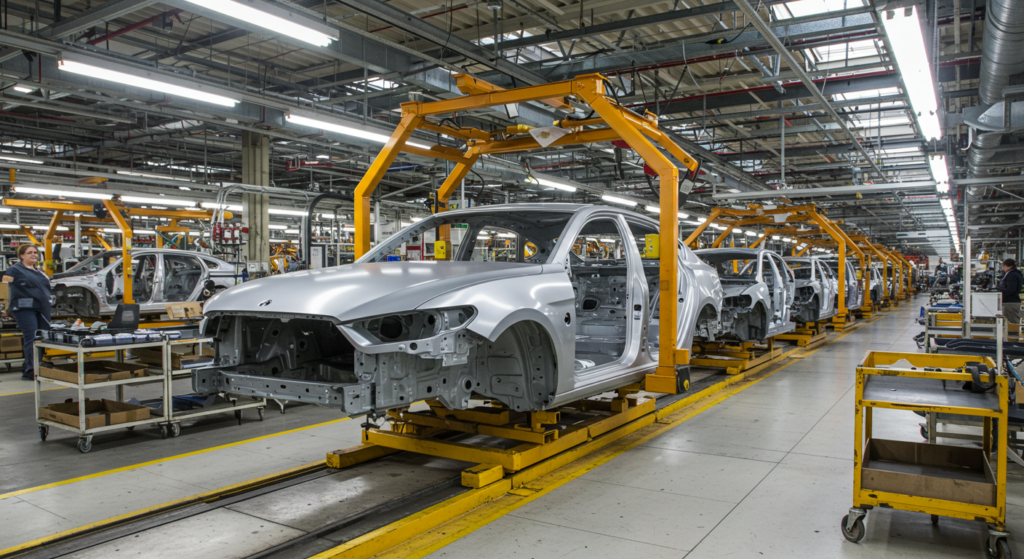
Imagine you’re running a car dealership. You’ve invested in AI-driven pricing models, launched a slick new website, and even trained your sales team to use customer data to predict buying behavior. But despite all this, your dealership is still selling the same number of cars per employee as you did ten years ago.
Sounds frustrating, right?
This is the reality for many automotive companies today. A McKinsey report on boosting auto sales productivity found that even though car dealerships have invested in new technologies, the sales per employee have stayed between 14 and 16 cars per year. Even worse, operating costs have risen by 8%, squeezing profits. (McKinsey)
Now, let’s shift gears.
European consumer goods companies—the businesses that sell everyday products like toothpaste, clothes, and packaged foods—have cracked the code on driving consistent revenue growth. Even though they operate in tough, competitive markets, top brands have found ways to optimize their sales, cut costs, and grow profits.
What if the automotive industry could borrow strategies from these consumer goods companies?
Let’s take a deep dive into what car dealerships and automakers can learn from companies selling everyday products—and how applying these lessons can supercharge auto sales.
Lessons from Consumer Goods: How They Stay Ahead
A recent McKinsey study on leading European consumer goods companies found that top performers focus on four key areas:
1. Simplifying Product Lines
Companies like Unilever and Nestlé don’t try to sell every possible product. Instead, they:
Focus on best-selling products
Cut out underperforming items
Invest heavily in what customers already love
For example, Coca-Cola reduced its number of product variations and focused on fewer, more profitable options, leading to higher sales per product.
2. Mastering Retail & Store Execution
Successful brands make sure their products are always in stock, easy to find, and well presented—whether in a big supermarket or a small shop.
For example, Procter & Gamble partners closely with retailers like Tesco and Carrefour to ensure its products are always displayed prominently.
3. Leveraging Digital & E-Commerce
More people are shopping online than ever before. Smart consumer goods companies invest in digital tools that:
Help them track customer behavior
Make it easier to buy products online
Allow them to predict demand and adjust prices dynamically
4. Using Data to Improve Sales
Top-performing brands don’t rely on gut feelings. Instead, they:
Analyze real-time sales data
Test different pricing strategies
Use AI to predict what customers will buy next
This data-driven approach has helped companies like L’Oréal and Danone improve profit margins and customer satisfaction.
The 2025 Lexus RX 350 Reimagined
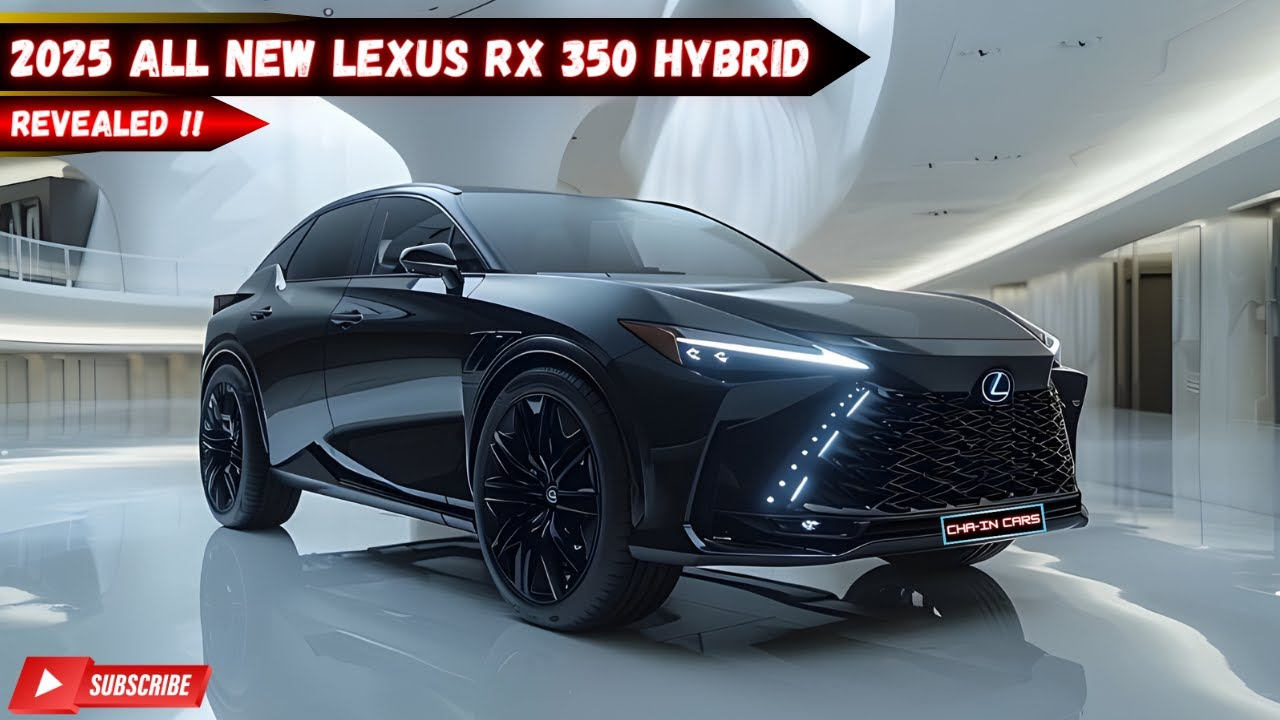
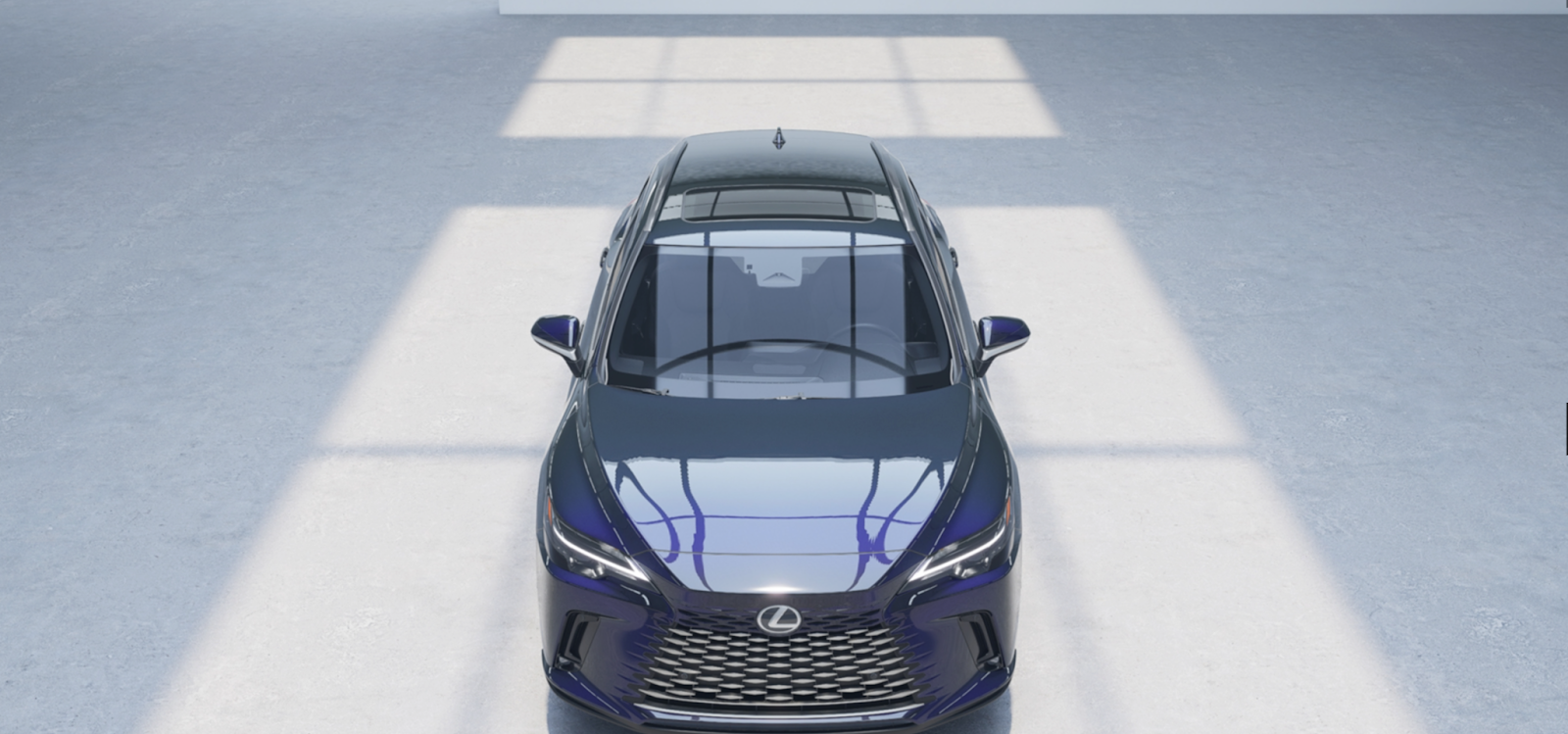
The 2025 Lexus RX 350 already makes a statement, but a digital reimagining is pushing it to the edge of bold design. Picture this: a Shadow Line trim with all the chrome swapped out for a sleek black finish, a lowered suspension that plants it firmly on the road, and custom wheels that feel more like art than function.
It’s aggressive, modern, and surprisingly fresh for an SUV—a space that’s not always known for pushing boundaries.
This design speaks to where the automotive world is headed. People want more than just utility; they want their cars to reflect their style, their edge, their personality.
Could Lexus take notes? Maybe. SUVs are evolving, and the line between luxury and individuality is getting thinner every day.
What do you think—should cars like this stay grounded in their roots, or is it time to fully embrace this bold, expressive direction?
My Automechanika Dubai Experience Told As a Sci-Fi Thriller : Self Driving Vehicles, Online Car Shopping, and Electric Future.
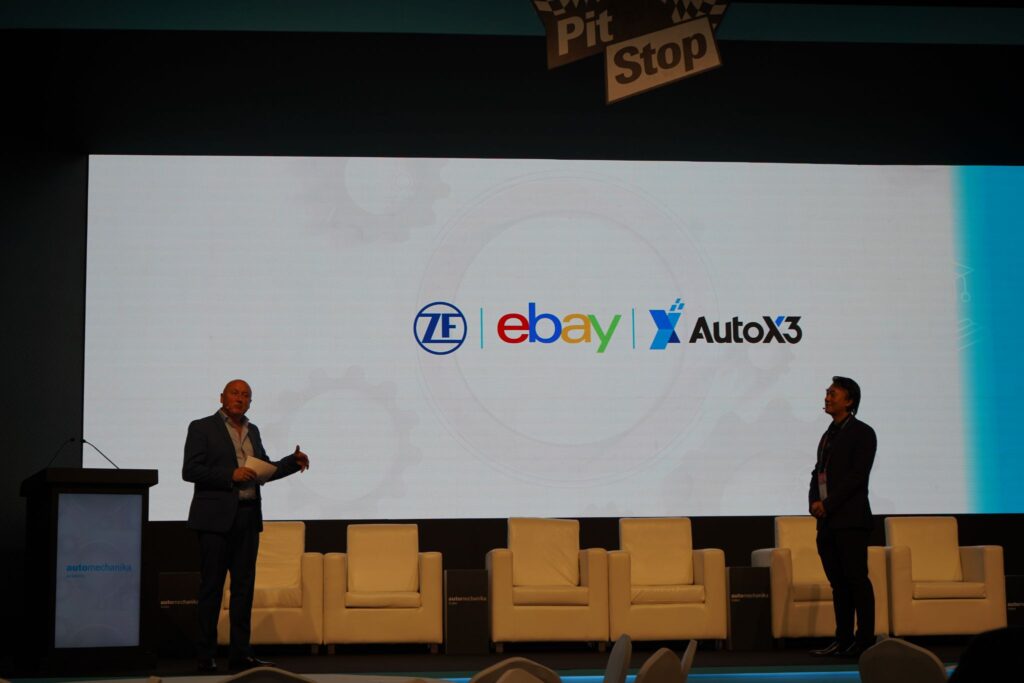
Going to dubai for the Automechanika show was a wonderful experience to say the least. Met loads of great entrepreneurs, brands, and experts in the industry. The whole time I was comparing it to a sci-fi thriller, there is so much to explore and so many innovations to learn about. So here is a quick story that delves to the heart of changes we are experiencing in the automotive world.
How the Story Goes
Once, a restless traveler, a mechanic, an innovator, or maybe just a dreamer—wandered these halls. Drawn in by the hum of electric motors and the promise of uncharted roads, they came seeking answers.And at first, it was everything they expected: electric cars as quiet as whispers, AI diagnostics smarter than doctors, and sustainability stamped on every display. The traveler marveled at it all—but the deeper they ventured, the more uneasy they became.
The Questions That Haunt
In the middle of the Oracle’s labyrinth, they say, sits a single car—sleek, silent, and waiting. Not a concept, not a display. Something… more. You can approach it, walk around it, even admire the perfect symmetry of its design.
But when you look closely, something feels off.
You notice the absence of pedals and the eerily smooth dash. You realize this car doesn’t need you—it doesn’t want you. It drives itself. It makes its own decisions. And as you stand there, you begin to feel… irrelevant.
The Oracle whispers to you then, not in words, but in thoughts:
• What happens to car culture when cars don’t need drivers?
• What happens to the thrill of the open road, the roar of the engine, the feeling of control?
• And what about those left behind—people who still rely on old machines, who can’t afford this so-called “future”?
The Exit
The traveler, if they are wise, doesn’t linger too long. The Oracle doesn’t offer solutions, only reflections. They leave the halls with their heart racing, their mind spinning.
The legend says you don’t leave unchanged. You carry with you the weight of the questions—questions that will shape the roads ahead:
• Are we creating progress for all, or leaving too many in the dust?
• Are we driving innovation, or are we being driven by it? • And when the future finally arrives, will we still recognize ourselves in it?
So, Do You Dare?
Next time you hear about Automechanika Dubai, remember this: it’s not just a trade show—it’s a place where legends are born and futures collide. Some call it progress. Others call it a warning.
But those who’ve encountered the Oracle know this for sure: the road ahead is uncertain, and it’s up to us to decide where it leads.
Volkswagen Surrenders to China? The Shocking EV Move Rocking Germany!
Imagine this: You’re sitting across from a Volkswagen executive, and they lean in, saying, “We’re opening our doors to Chinese EV manufacturers… in Germany.” Surprised? You’re not alone. This marks a seismic shift in the global automotive industry, and it’s a story worth unpacking.
Here’s the deal. Volkswagen is in talks with Chinese EV manufacturers to form joint ventures right in the heart of Germany. Think about it: factories like Dresden and Osnabrueck—iconic symbols of German engineering—might soon be producing Chinese electric cars. Yes, you read that right.
Why? Because the rules of the game have changed. Chinese EV makers are dominating the global stage with competitively priced, tech-packed models. Europe’s import tariffs make it costly to bring these vehicles here, so why not build them locally? Meanwhile, Volkswagen has excess factory capacity and declining sales for certain models. A match made in… necessity?
A strategic retreat or a smart pivot?
Some call it a retreat—a sign that Volkswagen is conceding ground to Chinese manufacturers. Others see it as a brilliant, pragmatic move. Instead of fighting an uphill battle, Volkswagen is leveraging this partnership to adapt, stay relevant, and even gain a piece of the rapidly growing EV pie.
Let’s talk numbers:
• Factories like Osnabrueck could see a second life, producing cars under a joint Chinese-German venture.
• Jobs might be preserved, but the long-term question looms: at what cost to Germany’s automotive independence?
This isn’t just about cars. It’s about geopolitics, economics, and the future of an entire industry. Germany has been the bedrock of automotive innovation for decades. By inviting China into this space, Volkswagen is walking a tightrope—balancing short-term survival with potential long-term risks.
Here’s my take:
This move reflects the urgency of adapting to new realities. The EV race is global, and sitting still is no longer an option. Volkswagen’s pivot isn’t just a reaction—it’s a signal to the entire industry that collaboration (even with the competition) might be the key to staying alive.
But I want to know—what do YOU think?
• Is this a bold move that secures the future of German automotive jobs?
• Or is it a slippery slope toward losing control of a cornerstone industry?
The Uni Wheel: Hyundai’s Game-Changing Innovation in Mobility
What if I told you Hyundai has just reimagined something as fundamental as the wheel? You’d probably raise an eyebrow. A wheel is a wheel, right? But not anymore. Hyundai Motor Group is flipping the script, and their Universal Wheel Drive System (Uni Wheel) is a glimpse into the future of mobility that’s too exciting to ignore.
Let me tell you why this matters.
A Wheel with a Purpose
Think about how far electric vehicles (EVs) have come. They’re already breaking boundaries—simplified drivetrains, more space, better efficiency. But Hyundai saw an opportunity:
What if we could shrink the system even further and make the wheel itself smarter?
The Uni Wheel is more than just a compact wheel drive system—it’s a revolution. By integrating key components like the motor and reducer inside the wheel, Hyundai frees up space like never before. Suddenly, your car interior isn’t just bigger; it’s customizable, flexible, and perfect for the purpose-built vehicles (PBVs) of tomorrow. Delivery robots? Micro-mobility solutions? The Uni Wheel fits them all.
How It Works (And Why It’s Brilliant)
Picture this: the Uni Wheel uses a planetary gear structure—a series of sun gears, ring gears, and pinion gears working together to turn the wheel efficiently. What makes it groundbreaking is its ability to adapt.
Here’s the twist:
• The motor and the wheel’s axes don’t even need to align. That flexibility? It’s huge for space-saving.
• The design lets vehicles adjust their ground clearance dynamically. Imagine a car that raises itself to handle rocky terrain or lowers itself for better aerodynamics on the highway. That’s not just smart—it’s genius.
Why This Changes Everything
Let’s get practical for a second. The Uni Wheel isn’t just an engineering marvel; it’s the kind of innovation that reshapes the entire industry.
• More Space: Vehicles become roomier, making them perfect for EVs, PBVs, and even autonomous delivery robots.
• Efficiency Meets Safety: Adaptive ground clearance means vehicles are safer, more efficient, and ready for any road condition.
• Sustainability: Less material, more efficiency, fewer compromises—Hyundai is doubling down on its commitment to future mobility.
The Bigger Picture
Images. Cho Hyuk-su
This isn’t just about Hyundai. It’s about where the industry is heading. As EVs and autonomous vehicles take center stage, innovations like the Uni Wheel will be the building blocks of a new era. Cars won’t just be tools for transportation—they’ll be spaces designed around us, for us.But here’s the real question: Are we ready for a world where even something as “basic” as the wheel isn’t basic anymore?
Meditations On The Race Of Innovation and The Search For Meaning
I reflect on the surprise of Deepseek and the marvel of China’s relentless strides. In these weeks, their advancements have revealed a truth: they are not only competing but often outpacing the rest of the world, including us here in America. This is no accident. It is discipline, unity, and a vision held tightly by a system designed for control at scale.
China has not waged great wars in 40 years, yet they fight a quieter battle—a battle for dominance through innovation, labor, and sheer numbers. Their masses of STEM graduates dwarf ours, a reflection of both cultural priorities and the advantage of numbers. Yet, mass brings tradeoffs: the strain on resources, a quality of life stretched thin. But it also brings strength—more taxes, more trade, and more influence.
A machine that grinds forward, one step at a time.
And yet, I wonder: are we truly separate? In this race, are we not all running toward the same finish line? The progress of one nation lifts the world, even as competition divides us. Geopolitics aside, it is a wonder—what we, as humans, have achieved. Perhaps these are among the last innovations created by our hands, before artificial intelligence takes the reins.
I believe, deep in my core, that this technology we build is not an end but a means. A means to free us—to pursue what we truly value. To create, to connect, to ask the great questions of life not because we are forced to, but because we choose to.
We are entering a time when the old philosophical questions are no longer abstract. What once belonged to classrooms and quiet reflection now walks into reality. Hypotheticals turn to case studies, theories to problems we must face.
There is a man walking from Canada to California. He owns nothing. He depends on the kindness of strangers and the land itself to survive. It is his experiment: can he give back to the world without holding anything of his own?
I think of him often. He reminds me of a simple truth: everything we need is already here. The resources, the tools, the knowledge; they are gifts of this world. It is not about discovering new things, but combining what is already given.
And yet, this man chooses hardship. He creates struggle for himself, hoping to find clarity, purpose, or even enlightenment through it. Perhaps he reflects something many of us feel but rarely voice. When life becomes easy, when robots and technology lift every burden, what then? What challenges will remain for us?
I see this trend already. Those of us born into privilege, untouched by true hardship, begin to seek struggle. Not because we must, but because we feel something is missing without it. Will the ease of life turn us back to nature? Will it push us closer to the people around us?
Or will we drift, losing our sense of purpose in a world with nothing left to fight for?
The future is not a place we arrive at—it is a path we walk. And as I think of the man on his journey, I see something of our own. We are searching for meaning, for connection, for the spark that keeps us human. Whether through innovation, struggle, or simply the desire to understand, I hope we never stop walking.
The Pittsburgh World of Wheels: A Gearhead’s Dream Come to Life
Some events aren’t just gatherings—they’re a pilgrimage. The Pittsburgh World of Wheels is exactly that for car enthusiasts. This isn’t just your average car show; it’s a showcase of the best of the best, bringing together the top show cars from across North America under one roof.
Here’s the thing about events like this—it’s not just about cars. It’s about the stories, the craftsmanship, and the community that surrounds the automotive world. Every car on display is more than metal and paint; it’s the product of passion, precision, and countless hours spent in garages.
What Makes It Special?
The Pittsburgh World of Wheels is one of the largest gatherings of its kind, a space where car culture thrives. You’ve got everything:
• Top-tier builds: The kind of cars that make you stop and wonder how they’re even real.
• Diverse displays: From hot rods to muscle cars, custom builds to restored classics—there’s something for every kind of enthusiast.
• A community like no other: Builders, collectors, and fans all coming together, sharing stories, ideas, and their shared love of all things automotive.
This is where the car world gets personal. It’s about more than horsepower and paint jobs; it’s about connection.
Why It Matters
Events like the World of Wheels are a reminder of the power of community in the automotive space. It’s not just about the cars—it’s about the people behind them. Every build has a story, every detail reflects someone’s vision.
And for Pittsburgh, hosting such an event puts the city on the map as a hub for automotive culture. It’s a place where ideas are exchanged, where enthusiasts find inspiration, and where the next generation of builders gets hooked.
5 Common Mistakes to Avoid in Automotive Digital Marketing for Aftermarket Brands
Introduction: The Challenges of Automotive Digital Marketing
Automotive digital marketing can be tricky, especially for businesses that sell aftermarket products like off-road wheels. Whether you’re selling best off-road wheels or offering video production services for wheels, marketing your business online is essential for growth. But it’s not always easy! There are a lot of challenges when it comes to automotive digital marketing.
To succeed, businesses need to understand their customers, use the right tools, and stay up-to-date with trends. In this blog, we’ll look at 5 common mistakes to avoid when doing automotive digital marketing. Avoiding these mistakes will help you grow your business and reach more customers, especially in the aftermarket brands industry.
Mistake #1: Not Understanding Your Target Audience
One of the biggest mistakes in automotive digital marketing is not understanding your target audience. If you don’t know who your customers are, you can’t market your products well. For example, if you’re selling off-road wheels, you need to know who is interested in them. Are they people who love off-roading? Or are they truck owners looking to upgrade their wheels?
When you know your target audience, you can create content that speaks directly to them. This is where wheels marketing comes in. It’s not enough to just post pictures of your products. You need to create videos or ads that show how your off-road wheels can help your customers enjoy their off-roading adventures. For example, showing someone using your wheels in the mud or on rocky terrain will attract the right people.
If you don’t know your audience, you could waste time and money on marketing that doesn’t work. Make sure to do research to understand who your customers are and what they care about. This way, you can create marketing that speaks to them.
Mistake #2: Ignoring Local SEO for Automotive Businesses
Local SEO is another important part of automotive digital marketing. If your business serves a specific area, like a city or region, you need to make sure that people in that area can find you online. This is called local SEO.
For example, if you’re selling off-road wheels and someone in your area searches for “best off-road wheels near me,” you want your business to show up in the search results. If you ignore local SEO, you could miss out on local customers who are looking for products just like yours.
To fix this mistake, start by claiming and updating your Google My Business listing. Make sure your business name, address, and phone number are correct. Also, use local keywords on your website, like “best off-road wheels in [Your City]” or “video production for wheels in [Your City].”
Using local SEO will help you get more customers in your area. Don’t forget to ask your customers to leave reviews online. Positive reviews can help you stand out and attract more people to your business.
Mistake #3: Not Using Video Marketing Effectively
Video marketing is one of the most powerful tools for automotive digital marketing, especially when it comes to selling products like off-road wheels. But many businesses make the mistake of not using video marketing effectively.
Video is great because it shows people how your product works in real life. For example, you could create a video showing how to install your off-road wheels on a truck. Or you could show how your wheels perform in different conditions, like muddy or rocky terrain. This is especially important if you’re offering video production for wheels or video production services for wheels.
But just making a video isn’t enough. To be effective, you need to create videos that are fun, interesting, and helpful. Videos should also be shared on the right platforms, like YouTube, Instagram, and Facebook. Don’t forget about Viral Video Production—videos that get shared a lot can help your brand reach even more people.
If you’re not using video marketing well, you’re missing out on a big opportunity. Video helps build trust with your audience and shows them why they should choose your products. It’s also a great way to boost brand awareness and sales.
Mistake #4: Not Staying Updated with Digital Marketing Trends
The world of automotive digital marketing is always changing. If you’re not keeping up with the latest trends, you might fall behind. For example, Digital Marketing Trends for Automotive are constantly evolving. Things like social media, video marketing, and search engine optimization (SEO) change all the time.
One trend to watch is Automotive Content Marketing. More and more businesses are using content to attract and engage customers. This includes blog posts, videos, and social media posts that provide helpful information to your audience. For example, you could write blog posts about the best off-road wheels or create videos showing how to choose the right wheels for off-roading.
Another trend is Automotive Video Production & Marketing. People love watching videos online, so creating high-quality videos that show off your products is a great way to get noticed. By staying up-to-date with these trends, you can stay ahead of your competition and attract more customers.
Mistake #5: Focusing Too Much on the Product, Not Enough on the Customer
Finally, many businesses make the mistake of focusing too much on their products and not enough on their customers. While it’s important to show what your products can do, you should also focus on how they help your customers.
For example, if you sell off-road wheels, don’t just talk about the features of the wheels. Instead, focus on how they can help your customers enjoy their off-roading experience. Maybe your wheels are more durable, so they can handle tough terrain without breaking. Maybe they’re designed to make off-roading safer and more fun. By focusing on the benefits to the customer, you’ll build stronger relationships and attract more loyal buyers.
You should also use customer reviews and testimonials to show how your products have helped others. Real stories from real people can help build trust with your audience.
Conclusion: Avoiding Pitfalls and Achieving Digital Marketing Success
Automotive digital marketing can be tough, but by avoiding these 5 common mistakes, you can make your marketing efforts more successful. Make sure you understand your target audience, use local SEO, create great videos, stay up-to-date with trends, and focus on your customers’ needs.
If you need help with video production for wheels or automotive digital marketing, Wheels Agency is here to assist you. We specialize in creating high-quality videos and marketing strategies for businesses in the automotive industry. Whether you’re an aftermarket brand or just starting out, we can help you reach more customers and grow your business.
By avoiding these mistakes and using the right strategies, you’ll be on your way to achieving digital marketing success in the automotive world.
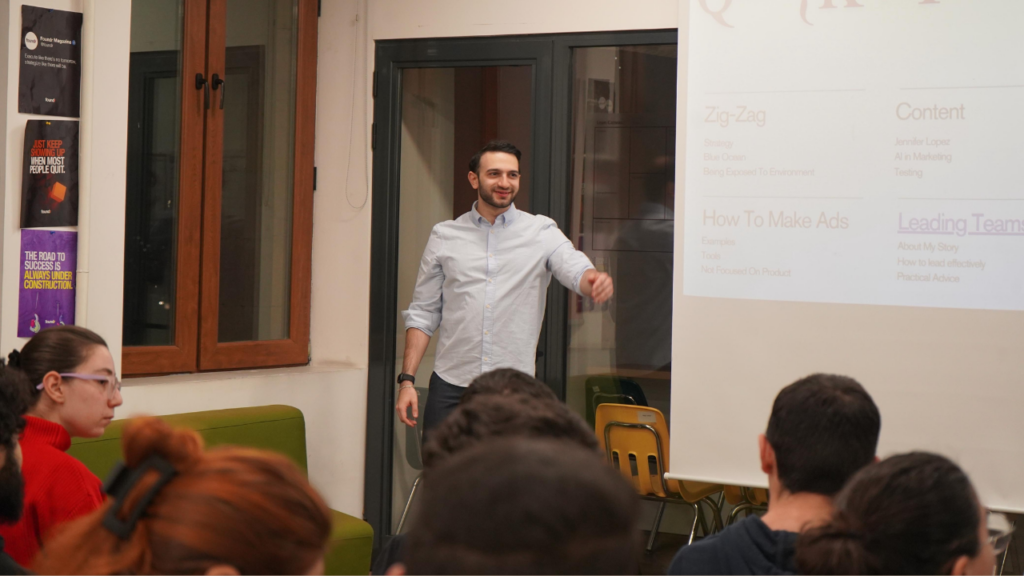
Marketing For Startups: Practical Advice & Case Studies That I Presented at AUA EPIC Incubator.
Last week, I had the privilege of speaking at the American University of Armenia (AUA) for a program called EPIC. It’s an incubator for startups in Armenia, where brilliant minds are developing innovative products. Honestly, walking into that hall and sharing my insights on digital marketing and growth marketing felt like a huge honor.
I shared my thoughts on how startups need to think beyond just their product features. When it comes to growth hacking, having a strategy is key. I showed the team how some of the best brands don’t just sell a product—they sell a feeling or an idea tied to it. For example, a shoe isn’t just a shoe—it’s freedom, adventure, or success. That’s how great marketing creates connections.
For startups in Armenia, scaling is a different ballgame compared to established firms. Traditional advertising methods might work for those big players, but for a startup, you’ve got to outsmart, not outspend. I explained why growth marketing isn’t just about throwing money at ads. It’s about crafting a better, smarter strategy to stand out.
One of the coolest parts of my talk was diving into video production, viral marketing, and influencer marketing. These are my bread and butter. I walked them through how these tools can build real momentum for a brand. The goal? Create content people can’t help but share, even if they’re not your customers yet.
My Key Takeaways
Before I wrap up, here are three action items I left with the startups:
Think big, act small – Start with a tight, focused strategy. Test it out, learn, and grow from there.
Talk feelings, not features – Sell the idea or experience behind your product, not just the product itself.
Get creative with your content – Video and influencers are gold for grabbing attention, so make sure you’re leveraging them in smart ways
To all the startups in Armenia and beyond: keep dreaming big. The world needs what you’re building. And if you need help with growth marketing, you know where to find me!
How to Create Stunning Off-Road Wheels Videos: A Step-by-Step Guide
Creating amazing videos for off-road wheels is a great way to promote your brand and attract customers. Videos grab attention, showcase the product, and help tell a story. This guide will help you create professional videos step by step.
Introduction: Why Video Matters for Off-Road Wheels
Videos are a powerful way to market your off-road wheels. They show your wheels in action and connect with viewers emotionally. With exciting videos, you can attract more customers and boost sales.
Engage Viewers: People love watching exciting content, especially when it involves action-packed off-road adventures.
Boost Sales: Video production for wheels helps you stand out and attract potential buyers.
Wheels marketing thrives with high-quality video content, making it essential for success in this industry.
Planning Your Off-Road Video Shoot
Planning is the first step to creating a great video. It helps you stay focused, organized and ensures your video meets your goals. With a clear plan, you can save time and create a video that truly impresses.
Set Goals: Decide what you want to achieve. Is it showcasing durability, style, or performance?
Prepare a Budget: Allocate resources for locations, equipment, and editing.
Pick a Team: A professional video production team can make a big difference.
Essential Equipment for Capturing High-Quality Footage
Using the right equipment is key to making a video that looks professional. High-quality tools ensure your visuals are sharp and engaging, capturing every detail. The better your equipment, the better your video will stand out.
Cameras: Use high-resolution cameras for sharp and clear videos.
Drones: Capture aerial shots of your off-road wheels in action.
Lighting: Proper lighting highlights details and enhances quality.
Stabilizers: Keep your shots steady for a professional look.
Investing in quality equipment is crucial for video production services for wheels.
Choosing the Right Locations for Off-Road Video Production
The location sets the mood for your video and showcases the off-road wheels’ capabilities. Choosing the right setting makes your video visually exciting and connects with viewers. A great location adds depth and authenticity to your story.
Natural Trails: Choose rugged terrains that highlight the capabilities of off-road wheels.
Open Fields: Perfect for capturing high-speed shots and dynamic angles.
A storyboard is like a map that guides your video creation process. It helps you visualize scenes, plan transitions, and keep your focus on key features. Storyboarding ensures your video tells a clear and engaging story.
Visualize Each Scene: Sketch out how each shot will look.
Plan Transitions: Decide how to move between scenes smoothly.
Highlight Key Features: Show close-ups of wheels in action.
Storyboarding ensures that your video production aligns with your goals.
Editing Tips for a Professional Look
Editing brings your video to life by turning raw footage into a professional masterpiece. It’s where you refine your visuals, add effects, and set the tone with music. A well-edited video leaves a lasting impression.
Use Software: Tools like Adobe Premiere Pro or Final Cut Pro make editing easy.
Add Effects: Slow motion and color grading enhance the visuals.
Include Music: Choose a track that matches the energy of your video.
Editing transforms raw footage into a polished final product that impresses viewers.
Conclusion
Creating stunning off road wheels videos is all about careful planning and attention to detail. By setting clear goals, using the right equipment, and choosing great locations, you can capture the excitement and performance of off-road wheels.
Storyboarding and editing add the finishing touches, making your video polished and engaging. Follow these steps, and you’ll have a video that not only looks great but also tells a compelling story about the adventure and capability of off-road wheels.