
25% Rise in Fitness Gear E-Commerce – A TikTok Trend Or A Marketing Win? 

Watch to buy. Buy to exercise. #FitnessChallenge videos on TikTok are doing more than just racking up views—they’re driving a 25% surge in fitness gear e-commerce. Shoppable yoga mats, resistance bands, and smart weights like Peloton dumbbells are seeing 30% higher conversions. And guess who’s buying? Sixty percent of these sales are coming from Gen Z fitness enthusiasts.

What the Experts Are Saying

Oli Snoddy, Peloton’s VP of Consumer Marketing, highlights the company’s partnership with TikTok to create a co-branded fitness hub. This initiative aims to make fitness more accessible by featuring custom Peloton content, including live classes and collaborations with creators, directly on TikTok. Snoddy emphasizes that this move allows Peloton to connect with new audiences in innovative ways.

Jan Wilk, Head of Operations at TikTok Shop UK, notes the significant growth of TikTok’s e-commerce division, with over 200,000 businesses now selling on the platform. Wilk states that live shopping and video commerce with real creators and brands represent the future of retail, reflecting the rising influence of social media on consumer purchasing decisions.

Our Take

TikTok has transformed into a dynamic marketplace where fitness trends and e-commerce converge. The platform’s ability to blend engaging content with seamless shopping experiences is reshaping how fitness brands connect with consumers, particularly Gen Z. This demographic values authenticity and convenience, making TikTok an ideal channel for fitness gear promotion.

3 Actionable Moves for Fitness Brands

  1. Launch Interactive Challenges: Encourage participation through engaging fitness challenges. Showcase your products in action—let users see how they fit into real workouts and routines.
  2. Collaborate with Influencers: Leverage the reach of TikTok fitness influencers to connect with broader audiences. Offer your gear for them to feature authentically—real use builds real trust.
  3. Optimize for TikTok Shop: Make purchasing seamless. List your products on TikTok Shop and ensure every listing has eye-catching visuals, clear descriptions, and smooth checkout flow. Meet customers where they scroll.

Conclusion

TikTok’s fusion of entertainment and commerce is redefining the fitness industry’s approach to marketing. Brands that adapt to this landscape by creating authentic, engaging content and leveraging TikTok’s shopping features are poised to thrive.

Written by Ani Mkrtchyan
How Did They Get $50M in Sales? The Road from Wheel Cleaning to Money Cleansing

Clean your wheels. Fill your bank account. TikTok has turned wheel cleaning into a goldmine. DIY tutorials featuring products like Chemical Guys’ kits are raking in $50 million, accounting for 20% of cleaning product sales on TikTok Shop.

Expert Insights

Chemical Guys (@chemicalguys) have mastered the art of viral content. Their TikTok videos showcase dramatic before-and-after transformations using products like the Diablo Wheel Gel. These satisfying visuals, combined with shoppable links, have significantly boosted their sales.

Rhino Shine (@rhinoshineuk) takes a more instructional route. Their TikTok tutorials provide step-by-step guides on using their non-acidic wheel and tire cleaners, emphasizing safety and effectiveness. This educational content builds trust and drives sales through TikTok Shop.

Our Take

The surge in wheel cleaning product sales on TikTok isn’t just about clean wheels—it’s about compelling storytelling and strategic marketing. Brands that combine visually appealing content with clear calls to action are reaping the rewards.

Action Items

  1. Create Engaging Content: Capture satisfying before-and-after transformations using your products. Visual authenticity builds trust – and triggers impulse buys.
  2. Leverage Shoppable Links: Make every video a path to purchase. Add TikTok Shop links so viewers can buy directly – right when they’re most engaged.
  3. Educate Your Audience: Offer quick tutorials showing safe, effective use of your products. Educated customers are confident buyers – and more likely to return.

Conclusion

TikTok’s influence on consumer behavior is undeniable. By combining engaging content with strategic marketing, brands can tap into this platform’s potential to drive significant sales.

Written by Ani Mkrtchyan

McDonald’s Gaslights Its Consumers

The theory that “made with 100% chicken” is a misleading wordplay puts McDonald’s under fire. A viral TikTok explains how this phrasing can decieve consumers into thinking the nuggets are made entirely of chicken.(New York Post, news)

Expert Insights

Luke, a marketing professional, highlighted in his viral TikTok how phrases like “made with 100% chicken” can be deceptive. He explained that while the chicken used is 100% breast meat, the nuggets also contain other ingredients like water, flour, oils, and spices. This subtle wording can lead consumers to believe the product is purely chicken .(news)

McDonald’s Australia responded by stating that their Chicken McNuggets are made with 100% RSPCA-approved chicken breast, and the additional ingredients are part of the marinade and coating. They emphasized their commitment to transparency and providing clear nutritional information to customers .(NZ Herald, New York Post)

Our Take

This controversy underscores the importance of clear and honest marketing. While McDonald’s may not be intentionally misleading, the phrasing of their claims can create misconceptions. Brands must prioritize transparency to maintain consumer trust.(news)

3 Action Items
  1. Keep in mind the Marketing Language: Do not forget to closely think through the language tricks made by the global brands.
  2. Learn about the Ingredients: Before purchasing anything, go through the ingredient list and try to understanding which is which.
  3. Action for Clear Labeling: Encourage companies to be more straightforward and honest in their marketing campaigns.

In conclusion, the McDonald’s nugget controversy highlights the need for transparency in food marketing. Consumers should remain vigilant and informed to make choices that align with their values and health goals.

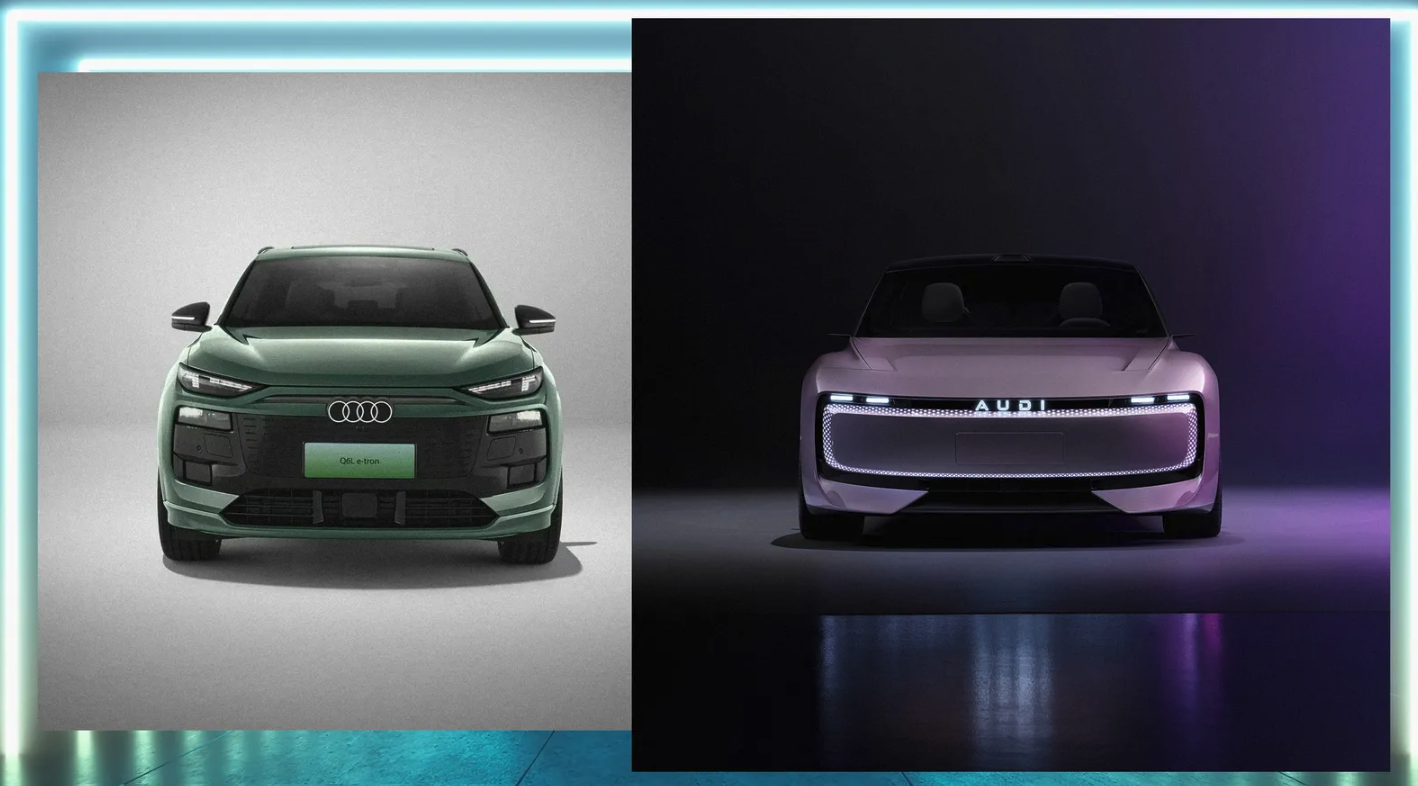
Audi’s China Rebrand: A Risk That Might Pay Off

Would you drop your iconic logo to win over a new audience? Audi just did.In 2024, Audi rebranded itself in China, ditching its famous four-ring logo to create a new, China-specific version of its brand. Why? Because young Chinese consumers wanted something fresh. (Wired)

Why This is a Big Deal

  1. China is the Largest Car Market: Automakers must adapt to local tastes.
  2. Younger Buyers Have Different Expectations: Traditional branding doesn’t work for Gen Z.
  3. It Sets a Precedent: Other automakers might follow Audi’s lead if this strategy works.

What Auto Brands Should Consider

  • Adapt Branding for Regional Markets: What works in the U.S. might not work in Asia.
  • Understand the Next Generation of Buyers: The old ways of marketing cars are fading.
  • Test and Iterate: Audi is taking a big risk—but if it works, they’ll own a massive market.

Audi’s China rebrand is one of the boldest moves in auto marketing today. If it pays off, other brands will follow.

Porsche has exciting news for car lovers. They are now offering special Manthey Kits for two of their popular models: the 911 GT3 RS and the 911 GT2 RS. 

These kits are designed to make these cars even better on the track. You can order them now, and they will be delivered by spring 2025. The kit for the 911 GT3 RS costs $116,160, and the one for the 911 GT2 RS is priced at $113,140.

Why This Matters

This move shows that there’s a growing interest in high-quality performance parts for cars. More people want to upgrade their vehicles to get the best performance, especially for racing. The market for these performance parts is getting bigger. Experts think it will grow from about $366 billion in 2024 to over $550 billion by 2032.

What This Means for the Industry

Car companies and parts makers should pay attention to this trend. There’s a big chance to create and sell more high-quality performance parts. By offering these products, companies can meet the needs of car enthusiasts who want the best for their vehicles.

Action Steps for Industry Leaders

  1. Invest in Research and Development: Create new and better performance parts to stay ahead in the market.
  2. Partner with Performance Experts: Work with specialists to design top-notch parts that car enthusiasts will love.
  3. Focus on Quality: Make sure all parts are of the highest quality to build trust with customers.

By taking these steps, companies can take advantage of the growing demand for performance car parts and help car lovers get the most out of their vehicles.

Fiat’s Bold Move: Turning Apartments Into a Marketing Machine

Fiat just changed the game. Instead of just selling cars, they’re selling a lifestyle.

In 2024, the Italian automaker launched Fiat House, a 309-unit apartment complex in Fort Lee, New Jersey. The catch? Residents get access to Fiat’s electric 500e sedan as part of the deal. The entire building is decked out with Fiat branding, from its design to exclusive resident perks. (WSJ)

Why This is Genius

  1. Fiat Gets Daily Brand Exposure: Located next to the George Washington Bridge, Fiat House is seen by thousands of commuters daily.
  2. Hands-On Test Drives: Residents live with Fiat’s EVs, making them more likely to buy one.
  3. Taps Into the Sharing Economy: Younger consumers love flexible car ownership. This gives them a taste of Fiat without the full commitment.

Lessons for the Auto Industry

  • Think Beyond Dealerships: Brand partnerships with real estate and hospitality could create new customer experiences.
  • Leverage High-Traffic Locations: Fiat put its brand where people see it daily—how can others do the same?
  • Make Products a Lifestyle Choice: Instead of just selling cars, sell a way of living. Fiat is proving that car marketing isn’t just about selling vehicles—it’s about creating experiences.

Kia’s Rise: From Budget Brand to Market Leader

Kia isn’t just selling cars. They’re selling a brand identity.

In 2024, Kia crushed expectations, selling over 80,000 cars in Australia. The company’s brand-focused marketing strategy—including massive ad campaigns and event sponsorships—helped them dominate. (The Australian)

Why Kia’s Marketing Worked

  1. They Focused on the Brand, Not Just the Cars: Kia made people care about what their brand stands for.
  2. They Invested in Sponsorships: Major events like the Australian Open put Kia in front of millions.
  3. They Capitalized on EV Growth: Kia positioned itself as a leader in electric vehicles.

How Automakers Can Replicate Kia’s Success

  • Invest in Lifestyle Marketing: Customers don’t just buy cars—they buy brands they connect with.
  • Own Major Events: Partner with sports, music, and cultural events to reach mass audiences.
  • Make Your Brand an Authority: Kia became the name in EVs—what niche can your company dominate?

Kia is proving that smart branding beats traditional advertising.

We often look at Net Present Value (NPV) to decide if an investment is good

We often look at Net Present Value (NPV) to decide if an investment is good. NPV helps us see the value of a project over time in today’s money. But in today’s unpredictable world, relying only on NPV might not be enough.

Think about factors like resilience, adaptability, and sustainability. These are crucial for long-term success but don’t always show up in NPV calculations. By considering these alongside NPV, we get a fuller picture of an investment’s true value.

For example, a government agency had to choose between a costly new digital system and a cheaper traditional one. They looked beyond just the price, considering system performance and availability. This broader view led them to pick the digital system, which offered better long-term benefits despite its higher initial cost.

By expanding our evaluation methods, we can make decisions that not only promise financial returns but also strengthen our organization’s future. It’s about seeing the whole picture and ensuring our investments align with our broader goals.

Action Steps:

  1. Identify Key Non-Financial Factors: Determine which elements, like sustainability or adaptability, are vital for your organization’s success.
  2. Develop Clear Metrics: Create ways to measure these factors so you can assess them alongside financial metrics.
  3. Integrate into Decision-Making: Use both NPV and these additional metrics to evaluate potential investments comprehensively.

By broadening our approach, we can make smarter decisions that benefit our organizations now and in the future.

Throwback to Hyundai and Amazon: The 20-Minute Car Buying Revolution

Hyundai is making car buying as easy as one-click shopping.In 2024, Hyundai and Amazon teamed up to let customers buy a car entirely online—in under 20 minutes. Shoppers can browse available vehicles, check out, and schedule delivery, all with minimal dealership interaction. (The Sun)

Why This is a Game-Changer

  1. Customers Hate Dealership Hassles: Most buyers prefer to skip in-person negotiations.
  2. Amazon Has Built-In Trust: People already buy everything on Amazon—why not cars?
  3. Hyundai Gets an E-Commerce Edge: Other automakers still force people to visit dealers, but Hyundai is ahead of the curve.

What Automakers Should Do Now

  • Invest in Online Sales: A simple, one-click buying option could increase conversions.
  • Streamline Financing and Delivery: Hyundai is proving people will buy cars online—if the process is smooth.
  • Leverage Big Tech Partnerships: Partnering with established e-commerce giants reduces friction for consumers.

Hyundai’s move signals a future where dealerships play less of a role—and online car sales explode.

Why DEI Does Not Work Like People Think

Diversity, Equity, and Inclusion (DEI) programs are everywhere now. Schools, companies, even sports teams use them. The goal? Make things fair for everyone. Sounds good, right? But here’s the problem—what if these programs don’t actually work the way people think?

1. People Don’t Like Being Forced

Most DEI programs tell people what to think instead of letting them figure it out. Studies show that when people are forced to do diversity training, they often push back. Instead of feeling more inclusive, they feel annoyed or defensive. That’s the opposite of what DEI is supposed to do. (American Sociological Review)

2. It Can Make People Feel Unfairly Judged

Some workers worry that hiring based on diversity might mean hiring isn’t based on skill. This can make people question whether they got a job because they deserved it or just because of a company’s DEI rules. That’s not good for anyone. People want to be hired for their talent, not their background.

3. It Doesn’t Always Help the Right People

DEI programs focus on groups, but they often miss individuals who actually need help. For example, people with disabilities are often left out of DEI discussions. If we’re talking about fairness, shouldn’t we include everyone? (Wikipedia)

A Better Way

So what’s the answer? Companies and schools should:

  1. Hire Based on Talent First – Make sure the best person gets the job, no matter their background.
  2. Teach, Don’t Force – Encourage real conversations instead of boring, mandatory DEI classes.
  3. Help Everyone Who Needs It – Focus on individuals, not just broad groups.

DEI sounds good on paper, but in real life, it needs serious fixing to truly be fair. Instead of focusing on labels, we should focus on real talent, real fairness, and real respect.