Automotive Ecommerce Is Gearing Up for a Digital Revolution
Forget just parts and accessories. Automotive ecommerce is evolving into a full-stack, digital-first machine. By 2032, the market is set to hit a whopping $267.8 billion, growing at 16.5% CAGR. That’s not growth—that’s a seismic shift.
And guess what’s leading the charge? Wheels and tires.
What the Experts Are Saying
Meticulous Research says the industry hit $79.6B in 2024 and is revving up to nearly $268B by 2032. Why the surge? Online shopping habits, better checkout experiences, and omnichannel strategies are fueling it. Oh—and wheels/tires? Highest projected CAGR in the entire market.
Fortune Business Insights backs it up, projecting an even higher number: $343.13B by 2032 with a 16.6% CAGR. The passenger car segment is set to dominate. Consumer trust in buying car parts—and even entire cars—online is hitting a new gear.
Our Take
This isn’t a trend. It’s a transformation.
From DIY tinkerers to full-blown EV enthusiasts, buyers are skipping brick-and-mortar entirely. They want mobile, seamless, and secure shopping—and they’re ready to spend. If your ecommerce strategy still feels like 2015, you’re leaving money on the table.
3 Moves to Make Before the Curve Breaks
Go Mobile-First or Go Home Mobile platforms are seeing the fastest growth. Make your site frictionless on every screen—fast load times, smart search, tap-to-buy UX. This is where customers live.
Double Down on Wheels, Tires & High-Turn Segments These are no longer niche—they’re high-velocity categories. Add bundles, seasonal promos, and fitment tools to boost AOV and repeat buys.
Add Digital Wallets + Layered Payment Security People expect Apple Pay, PayPal, Klarna, and the rest. The more options, the less friction—and the less abandoned carts. Bonus: more trust, more conversions.
Final Lap
The future of automotive retail isn’t on the lot—it’s online. And the market’s just hitting cruising speed. The next 8 years are make-or-break for digital players in this space. If you’re ready to scale, the highway is wide open.
Time to step on it.
Written by Davud Sharifi
Shein Just Got Spanked by the EU. Are You Next?
The EU didn’t just come for Shein.
They dropped a 30-day warning and a threat that could cost them 6% of global revenue.
Fake sales. Shady pricing. Dubious safety.
If your brand sells online — you’re not untouchable.
Shein’s mistake? Thinking scale protects you.
Expert Breakdown
1. Natasha Lomas — TechCrunch
Lomas reports that EU regulators accused Shein of violating multiple consumer protection laws, especially by pushing false urgency and unclear pricing. The Digital Services Act is the stick. And Shein’s neck is on the block.
2. Laurel Deppen — Fashion Dive
Deppen says Shein now has to show the EU how its algorithms work. What products it pushes. Why. And how it keeps shoppers safe. Regulators want receipts.
Our Take
Shein’s not the only brand playing fast and loose.
And this is bigger than fashion.
If you run a DTC site, a dropshipping business, or any form of ecomm… you’re next in line.
And no, having “terms and conditions” on your site isn’t enough.
The EU wants transparency. Real pricing. Real safety. Clear recommender systems.
3 Things To Do Before Regulators Knock
Run a Dark Pattern Audit
Use tools like Deceptive Design Checker or Fathom Analytics to find manipulative UX patterns.
Kill countdown timers that reset every refresh. Kill “Only 3 left!” lies.
Use a Real Repricing App
Try Prisync or RepricerExpress to set prices based on data, not fiction.
Set historical price logs. This proves your discounts are legit.
3. Build a Reg-Ready Product Safety File
Create a single Dropbox/Notion folder with safety docs, supplier info, lab reports.
If a regulator emails you tomorrow, you’re ready in 10 minutes — not sweating bullets.
Written by Karina Martirosyan
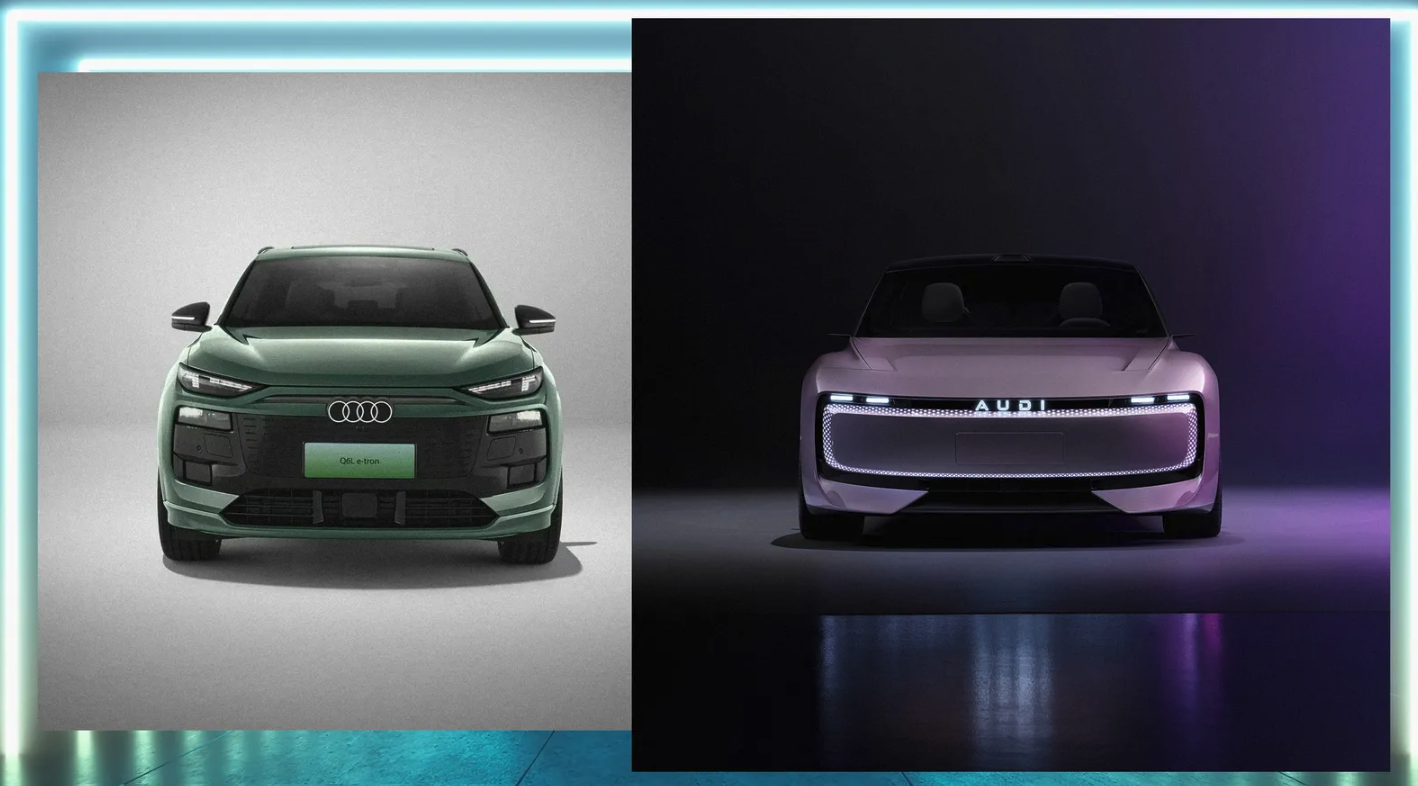
Audi’s China Rebrand: A Risk That Might Pay Off
Would you drop your iconic logo to win over a new audience? Audi just did.In 2024, Audi rebranded itself in China, ditching its famous four-ring logo to create a new, China-specific version of its brand. Why? Because young Chinese consumers wanted something fresh. (Wired)
Why This is a Big Deal
China is the Largest Car Market: Automakers must adapt to local tastes.
Younger Buyers Have Different Expectations: Traditional branding doesn’t work for Gen Z.
It Sets a Precedent: Other automakers might follow Audi’s lead if this strategy works.
What Auto Brands Should Consider
Adapt Branding for Regional Markets: What works in the U.S. might not work in Asia.
Understand the Next Generation of Buyers: The old ways of marketing cars are fading.
Test and Iterate: Audi is taking a big risk—but if it works, they’ll own a massive market.
Audi’s China rebrand is one of the boldest moves in auto marketing today. If it pays off, other brands will follow.
Kia’s Rise: From Budget Brand to Market Leader
Kia isn’t just selling cars. They’re selling a brand identity.
In 2024, Kia crushed expectations, selling over 80,000 cars in Australia. The company’s brand-focused marketing strategy—including massive ad campaigns and event sponsorships—helped them dominate. (The Australian)
Why Kia’s Marketing Worked
They Focused on the Brand, Not Just the Cars: Kia made people care about what their brand stands for.
They Invested in Sponsorships: Major events like the Australian Open put Kia in front of millions.
They Capitalized on EV Growth: Kia positioned itself as a leader in electric vehicles.
How Automakers Can Replicate Kia’s Success
Invest in Lifestyle Marketing: Customers don’t just buy cars—they buy brands they connect with.
Own Major Events: Partner with sports, music, and cultural events to reach mass audiences.
Make Your Brand an Authority: Kia became the name in EVs—what niche can your company dominate?
Kia is proving that smart branding beats traditional advertising.
We often look at Net Present Value (NPV) to decide if an investment is good
We often look at Net Present Value (NPV) to decide if an investment is good. NPV helps us see the value of a project over time in today’s money. But in today’s unpredictable world, relying only on NPV might not be enough.
Think about factors like resilience, adaptability, and sustainability. These are crucial for long-term success but don’t always show up in NPV calculations. By considering these alongside NPV, we get a fuller picture of an investment’s true value.
For example, a government agency had to choose between a costly new digital system and a cheaper traditional one. They looked beyond just the price, considering system performance and availability. This broader view led them to pick the digital system, which offered better long-term benefits despite its higher initial cost.
By expanding our evaluation methods, we can make decisions that not only promise financial returns but also strengthen our organization’s future. It’s about seeing the whole picture and ensuring our investments align with our broader goals.
Action Steps:
Identify Key Non-Financial Factors: Determine which elements, like sustainability or adaptability, are vital for your organization’s success.
Develop Clear Metrics: Create ways to measure these factors so you can assess them alongside financial metrics.
Integrate into Decision-Making: Use both NPV and these additional metrics to evaluate potential investments comprehensively.
By broadening our approach, we can make smarter decisions that benefit our organizations now and in the future.
How to Win in the Auto Aftermarket—Even When the Economy Fights Back
The auto parts industry is under pressure. Supply chains are still a mess. Prices are rising. But here’s the twist—business is booming anyway. Experts say the U.S. automotive aftermarket will hit $535 billion in 2024. Online sales alone are growing at 9% per year.
So, while some companies struggle, others are thriving. The question is: Which side will you be on?
The Challenges Are Real—But So Is the Opportunity
1. Supply Chain Chaos Is Still Here
Parts are harder to get. Shipping is slow. Costs are climbing. It’s a domino effect, and many companies are stuck waiting. (LogisticsIT)
2. Customers Want Online Everything
Consumers expect fast, seamless online shopping. The auto e-commerce market is set to hit $67 billion by 2030. If your business isn’t online yet, you’re already behind. (Hedges & Co.)
3. DIY and Customization Are Exploding
People are keeping cars longer, fixing them up, and adding high-performance parts. The specialty equipment market hit $53 billion in 2023—and it’s still growing. (PDM Automotive)
What Smart Business Owners Should Do Right Now
If you’re a CEO, CMO, or business owner in the automotive aftermarket, this isn’t the time to wait and see. It’s the time to act. Here’s how:
1. Build a Bulletproof Supply Chain
Diversify suppliers—don’t rely on just one region or company.
Use AI-driven inventory management to predict shortages before they happen.
Consider warehousing popular parts closer to customers to cut shipping delays.
2. Own the Online Space
If you don’t have an e-commerce platform, get one now. Invest in a user-friendly site.
Use AI chatbots and real-time inventory tracking to improve customer experience.
Get aggressive with SEO and paid ads—your competitors already are.
3. Cater to the DIY and Performance Market
Offer how-to content and video tutorials. If people trust you to teach them, they’ll trust you to sell to them.
Expand your catalog to include customization parts—lighting, tuning kits, and high-performance mods.
The auto aftermarket is changing fast. The companies that adapt now will dominate in 2025 and beyond. Those that wait? They’ll be left behind.
Which side will you be on?
Works Cited
“Auto Parts Industry Growth Puts eCommerce at $67 Billion in 2030.” Hedges & Company, Nov. 2021, https://hedgescompany.com/blog/2021/11/auto-parts-ecommerce-38-billion-in-2022/.
“2025 Trends: Transforming E-Commerce in the Automotive Aftermarket.” PDM Automotive, Dec. 2024, https://pdmautomotive.com/2025_trends/.
“How Disruptions in the Supply Chain Affect the Automotive Industry.” LogisticsIT, 14 May 2024,
Advance Auto Parts’ Strategic Overhaul: Navigating Store Closures and Market Realignment
In a decisive move to address financial challenges, Advance Auto Parts has announced plans to close over 700 locations, including 523 corporate-owned stores, 204 independently operated outlets, and four distribution centers, by mid-2025. This strategy aims to stabilize the company’s finances following a reported $6 million loss in the third quarter of 2024, with revenues totaling $2.15 billion.
Implications for the Workforce and Local Economies
The planned closures are expected to significantly impact thousands of employees across various regions. While specific details regarding job reductions have not been fully disclosed, the company acknowledges the profound effect on its workforce and is likely to implement severance packages and support for affected staff.
Industry-Wide Adjustments and Competitive Dynamics
Advance Auto Parts’ decision reflects broader trends within the automotive retail sector, where companies are reevaluating their physical footprints in response to shifting consumer behaviors and economic pressures. The rise of e-commerce and changing market dynamics have prompted retailers to optimize operations, focusing on profitability and long-term sustainability.
Strategic Initiatives Moving Forward
Despite the closures, Advance Auto Parts plans to open 60 new market hub locations by mid-2027, aiming to enhance supply chain efficiency and better serve customer needs. The company is also focusing on standardizing store operations and consolidating supply chains to improve overall performance.
Conclusion
Advance Auto Parts’ comprehensive restructuring plan underscores the company’s commitment to adapting to current market conditions and positioning itself for future growth. While the store closures and associated workforce reductions present significant challenges, these strategic moves are designed to strengthen the company’s financial standing and ensure its long-term viability in a competitive industry landscape.
Works Cited
“Advance Auto Parts Reports Third Quarter 2024 Results and Completes Comprehensive Review of Operational Productivity.” Advance Auto Parts, 14 Nov. 2024,
Jaguar’s New Concept Model in Action: Stunning 3D Animation Paired with Luxury Wheels
The future of luxury cars is here. The new Jaguar concept model is making waves, and we’ve taken it to the next level with a high-end 3D animation that showcases its sleek design paired with luxury aftermarket wheels.
This isn’t just another car render—this is the future of automotive videography and digital marketing for wheel brands.
Exclusive 3D Animation of the New Jaguar Model
At Hatch Pro Media, we specialize in high-quality 3D animation for wheels and vehicles. Since official renderings of the new Jaguar model were unavailable, we created everything from scratch. Every detail, every line, and every movement was designed to be as realistic as possible.
By using full CGI and hyper-realistic rendering, we allow brands to visualize their aftermarket wheels on concept cars before they even hit the market.
This is a game-changer for wheel brands, automotive marketers, and eCommerce businesses that want to create engaging and futuristic content.
Why 3D Animation is the Future of Automotive Videography
According to a 2025 study by the Automotive Digital Marketing Association, 3D automotive videos increase consumer engagement by 67% compared to static images.
Additionally, brands that invest in CGI-generated vehicle animations see a 40% higher conversion rate in their online stores.
Industry expert Michael Reynolds, a leader in aftermarket parts videography, explains that 3D animation gives wheel brands a competitive edge, allowing them to preview fitments, aesthetics, and performance before manufacturing even starts.
How 3D Animation and Videography Boost Wheel Sales
The demand for high-quality automotive content is skyrocketing. Here’s how wheel brands can take advantage:
1. Showcase Wheels on Concept Cars Before Release
• Animate wheels on upcoming car models to gain early marketing traction. No need to wait for physical prototypes.
2. Create Viral Automotive Content
• CGI videos optimized for Instagram, TikTok, and YouTube can help wheel brands go viral and attract millions of views.
3. Enhance eCommerce Listings with Interactive Videos
• Instead of relying on basic product images, immersive 3D animations allow customers to see wheels from every angle, increasing their confidence to buy.
Why Hatch Pro Media is the Go-To Agency for Wheel Videography
At Hatch Pro Media, we create cutting-edge 3D animation videos for wheels, aftermarket parts, and automotive brands.
Whether you need a full CGI showcase, high-quality videography, or a complete eCommerce marketing funnel, we’ll help you bring your vision to life with cinematic precision.
Want to make your wheels go viral?
The Evolving Landscape of E-Commerce: Opportunities and Strategies for Future Growth
The e-commerce industry has transformed the way consumers purchase goods, leveraging digital channels to offer convenience and accessibility. Its rapid ascent has been driven by widespread broadband internet access, the proliferation of smartphones, and innovations in product delivery, including on-demand warehousing, last-mile delivery, increased automation, and crowdsourced delivery methods. These advancements have made online shopping more efficient and appealing to a global audience.
Current Market Overview
As of 2022, retail e-commerce constituted 20% of the global retail market, valued at $17 trillion, indicating substantial potential for further expansion. Developing regions such as China, Latin America, and other emerging economies are experiencing significant growth in online markets, propelled by increasing digitization. Additionally, e-commerce is making inroads into new product categories, including personal care and food, broadening its reach. The rise of social commerce, where consumers make purchases directly through social media platforms, is also contributing to this expansion.
Growth Projections
E-commerce encompasses purchases completed on computers and mobile devices, including transactions where consumers pick up items at physical stores. This definition covers revenue from manufacturers with direct-to-consumer channels, platform providers like Amazon that host third-party retailers, and traditional retailers with online channels. Notably, it excludes peer-to-peer sales, such as those on Facebook Marketplace, and services like ride-hailing and streaming.
The industry is divided into two main segments: retail e-commerce and food e-commerce. In 2022, combined revenues for these segments reached approximately $4 trillion. Projections suggest this figure could grow to between $14 trillion and $20 trillion by 2040, representing a compound annual growth rate (CAGR) of 7% to 9%.
Retail e-commerce, currently accounting for one-fifth of global retail revenues, could see its share increase to 27% to 38% by 2040. In monetary terms, revenues could rise from $3.4 trillion in 2022 to between $11 trillion and $16 trillion by 2040, depending on various scenarios.
Similarly, food e-commerce, which generated $630 billion in 2022 (4% of global retail revenues), is expected to grow to between $3 trillion and $4 trillion by 2040, capturing 7% to 9% of global retail revenues.
Regional Insights
In developing economies, retail e-commerce currently holds a smaller share of retail sales but is poised for significant growth. For instance, in 2022, its share was 12% in Latin America, 4% in the Middle East, and 2% in Africa. By 2040, these figures could rise to 26% in Latin America, 15% in the Middle East, and 10% in Africa under conservative estimates, with higher projections reaching 29%, 20%, and 15%, respectively.
Factors contributing to this growth include the expansion of the middle class, increased broadband access, and the development of infrastructure and services that facilitate e-commerce, such as last-mile delivery. For example, smartphone penetration in India grew from 26% in 2018 to 36% in 2022 and is expected to reach 56% by 2027. In sub-Saharan Africa, smartphone penetration increased from 19% in 2018 to 36% in 2022, with projections of 48% by 2027. These trends indicate a growing base of potential online consumers in these regions.
Developed markets are also expected to see continued e-commerce growth. In 2022, retail e-commerce accounted for 25% of total retail spending in North America, 22% in the Asia–Pacific region, and 16% in Europe. By 2040, these shares could increase to 30% in North America, 28% in Asia–Pacific, and 27% in Europe under conservative scenarios, with higher estimates reaching 50%, 40%, and 36%, respectively.
Emerging Trends
Several new e-commerce formats are contributing to the industry’s growth:
Social Commerce: Platforms like Douyin and Xiaohongshu in China have integrated social media and shopping, allowing users to make purchases directly within apps. This model is gaining traction globally, with platforms like Instagram and Facebook exploring similar features.
Discount and Low-Price Platforms: Marketplaces such as Pinduoduo in China have grown rapidly by offering affordable pricing and a gamified shopping experience. This model is expanding internationally through platforms like Temu and SHEIN.
Conversational Commerce: Sales through messaging platforms like WhatsApp are becoming integral to the shopping experience, especially with the rise of generative AI and widespread use of chat apps. • Quick Commerce: This model promises delivery to customers within hours or even minutes, catering to small and frequent purchases like groceries and convenience items.
Competitive Dynamics
In 2023, major e-commerce platforms such as Amazon, Alibaba, and JD.com accounted for 15% of the revenue share of all companies selling online. However, the total value of goods sold through these platforms represented up to 42% of total e-commerce retail value. Despite their dominance, emerging contenders are disrupting the market through innovative strategies, including direct-to-consumer sales, specialization in emerging markets, and leveraging new technologies.
Action Steps for Businesses
To capitalize on the evolving e-commerce landscape, businesses should consider the following strategies:
Invest in Emerging Technologies: Adopt innovations such as AI-driven personalization, augmented reality shopping experiences, and advanced data analytics to enhance customer engagement and streamline operations.
Expand into New Markets and Categories: Explore opportunities in developing regions and new product categories, tailoring offerings to meet local preferences and needs.
Leverage New E-Commerce Formats: Integrate social commerce, conversational commerce, and quick commerce models into your strategy to meet changing consumer behaviors and expectations.
By embracing these strategies, businesses can position themselves for sustained growth in the dynamic e-commerce industry.
How to Create Stunning Off-Road Wheels Videos: A Step-by-Step Guide
Creating amazing videos for off-road wheels is a great way to promote your brand and attract customers. Videos grab attention, showcase the product, and help tell a story. This guide will help you create professional videos step by step.
Introduction: Why Video Matters for Off-Road Wheels
Videos are a powerful way to market your off-road wheels. They show your wheels in action and connect with viewers emotionally. With exciting videos, you can attract more customers and boost sales.
Engage Viewers: People love watching exciting content, especially when it involves action-packed off-road adventures.
Boost Sales: Video production for wheels helps you stand out and attract potential buyers.
Wheels marketing thrives with high-quality video content, making it essential for success in this industry.
Planning Your Off-Road Video Shoot
Planning is the first step to creating a great video. It helps you stay focused, organized and ensures your video meets your goals. With a clear plan, you can save time and create a video that truly impresses.
Set Goals: Decide what you want to achieve. Is it showcasing durability, style, or performance?
Prepare a Budget: Allocate resources for locations, equipment, and editing.
Pick a Team: A professional video production team can make a big difference.
Essential Equipment for Capturing High-Quality Footage
Using the right equipment is key to making a video that looks professional. High-quality tools ensure your visuals are sharp and engaging, capturing every detail. The better your equipment, the better your video will stand out.
Cameras: Use high-resolution cameras for sharp and clear videos.
Drones: Capture aerial shots of your off-road wheels in action.
Lighting: Proper lighting highlights details and enhances quality.
Stabilizers: Keep your shots steady for a professional look.
Investing in quality equipment is crucial for video production services for wheels.
Choosing the Right Locations for Off-Road Video Production
The location sets the mood for your video and showcases the off-road wheels’ capabilities. Choosing the right setting makes your video visually exciting and connects with viewers. A great location adds depth and authenticity to your story.
Natural Trails: Choose rugged terrains that highlight the capabilities of off-road wheels.
Open Fields: Perfect for capturing high-speed shots and dynamic angles.
A storyboard is like a map that guides your video creation process. It helps you visualize scenes, plan transitions, and keep your focus on key features. Storyboarding ensures your video tells a clear and engaging story.
Visualize Each Scene: Sketch out how each shot will look.
Plan Transitions: Decide how to move between scenes smoothly.
Highlight Key Features: Show close-ups of wheels in action.
Storyboarding ensures that your video production aligns with your goals.
Editing Tips for a Professional Look
Editing brings your video to life by turning raw footage into a professional masterpiece. It’s where you refine your visuals, add effects, and set the tone with music. A well-edited video leaves a lasting impression.
Use Software: Tools like Adobe Premiere Pro or Final Cut Pro make editing easy.
Add Effects: Slow motion and color grading enhance the visuals.
Include Music: Choose a track that matches the energy of your video.
Editing transforms raw footage into a polished final product that impresses viewers.
Conclusion
Creating stunning off road wheels videos is all about careful planning and attention to detail. By setting clear goals, using the right equipment, and choosing great locations, you can capture the excitement and performance of off-road wheels.
Storyboarding and editing add the finishing touches, making your video polished and engaging. Follow these steps, and you’ll have a video that not only looks great but also tells a compelling story about the adventure and capability of off-road wheels.