Why are Community-Driven Brands Winning in 2025

Community is no longer a concept. It has become the winning business model for success.

In 2025, brands that build with their audience—not just for them—are dominating. The old playbook of ads and influencers is fading. Now, it’s about shared values, real conversations, and turning customers into collaborators.

Expert Insights

Gen Z’s Loyalty Lies in Community. According to the 2025 Sprout Social Index, 92% of Gen Z consumers agree that the community surrounding a brand impacts how they feel about the company. Moreover, 83% say being part of a brand group makes them more likely to trust the brand—19% higher than other generations. This shift indicates that Gen Z’s purchasing decisions are heavily influenced by authentic community engagement rather than traditional advertising. Popular Pays

Community-Led Growth as a Strategic Imperative. A report from Knowledge Hub Media emphasizes that community-led growth isn’t a trend but a long-term shift in how brands build trust and value. In 2025, the most successful marketers aren’t just shouting louder—they’re listening better and building communities that market for them. This approach transforms customers into active participants and advocates, fostering deeper brand loyalty. Knowledge Hub+1LinkedIn+1

Our Take

Community isn’t a marketing channel—it’s the foundation. Brands that listen, co-create, and empower their audiences are not just surviving; they’re thriving. In an era where consumers crave authenticity and connection, community-driven strategies are the key to sustainable growth.

3 Action Items to Build a Community-Driven Brand

  1. Private Community Platform Launch. Create a space for your audience to connect, share, and collaborate, similar to Discord or Circle.so, which offer customizable environments where members can be involved  in discussions, provide feedback, and feel a sense of belonging. Having this kind of platform will foster a sense of loyalty.
  2. Implement a Community Ambassador Program. Find customers, who would like to become brand ambassadors. Provide them with exclusive content, early access to products, and opportunities to host events or webinars. This action would lead organic rise in the company by  peer-to-peer recommendations.Social++4We Are Social USA+4Zelos+4
  3. Integrate Community Feedback into Product Development. Involvement of the community in the  product development process, will ensure the relevancy of the product and people who need that.

In 2025, brands that prioritize community are not just building audiences—they’re cultivating ecosystems of engaged, loyal advocates. Embrace community-driven strategies to stay relevant and foster lasting connections.

Written by Vanessa Manvelyan
Coca-Cola melts the hearts of Gen Z

Coca-Cola aims to have Gen Z’s attention by collaborating with trending influencers. 

Coca-Cola is revamping its marketing strategy to connect with Gen Z, a demographic that values authenticity, personalization, and digital engagement. By partnering with creators and reimagining its iconic campaigns, Coca-Cola aims to foster deeper connections with younger audiences.

Expert Insights

Islam ElDessouky, Coca-Cola’s Global VP of Creative, emphasizes the brand’s commitment to personalization and connection. The relaunched “Share a Coke” campaign now includes digital experiences like the “Memory Maker,” allowing users to create personalized videos and memes. This initiative seeks to resonate with Gen Z’s desire for authentic and shareable content .(Adweek, New York Post)

Sue Lynne Cha, Vice President of Marketing at Coca-Cola North America, highlights the integration of digital tools in the campaign. Features like on-pack QR codes lead to a digital hub where consumers can customize packaging and access interactive experiences, aligning with Gen Z’s digital-first preferences .(DesignRush, New York Post)

Our Take

Coca-Cola’s strategy reflects a broader shift in marketing—moving from traditional advertising to interactive, consumer-driven experiences. By leveraging digital tools and creator partnerships, the brand is not just selling a product but inviting consumers into a shared narrative. This approach aligns with Gen Z’s expectations for authenticity and engagement.(Krows Digital)

3 Action Items

  1. Integrate Personalization Features: Coca-Cola, incorporating customizable packaging or digital experiences, will let the consumers feel a personal connection with the brand. (The US Sun)
  2. Collaborate with Micro-Influencers: Partnerships with creators who have a strong connection with their audience can enhance brand credibility and reach within specific targets.
  3. Turn Customers into Collaborators: Build an invite-only platform where Gen Z can get early access to try new flavors, and suggest new product ideas.

In conclusion, Coca-Cola’s reimagined marketing efforts demonstrate the importance of personalization, digital engagement, and authentic storytelling in connecting with Gen Z consumers. By embracing these strategies, brands can build meaningful relationships with younger audiences.(DesignRush)

Written by Natalie Manvelyan

It’s time to shop directly from YouTube Shorts!

You can now make a profit via YouTube shorts! Viewers can now tap and buy without leaving the app.(Statusphere Blog)

Expert Insights

Aisha Malik from TechCrunch reports that YouTube is testing shopping features in Shorts, allowing creators to tag products from their own stores. Viewers in select countries can see these tags and shop directly through the Shorts interface. This initiative aims to broaden YouTube’s revenue streams amid a challenging advertising market .(TechCrunch)

The Sharelo Blog highlights the growing trend of shoppable videos, noting that interactive content like YouTube’s shoppable Shorts can significantly boost engagement and conversion rates. By embedding product links directly within videos, creators can offer a seamless shopping experience that keeps viewers engaged .(Sharelo, Firework)

Our Take

YouTube’s integration of shoppable features into Shorts is a strategic move to enhance the platform’s e-commerce capabilities. By allowing creators to tag products directly in their content, YouTube not only provides a new revenue stream for creators but also offers a more interactive experience for viewers. This development positions YouTube as a formidable player in the social commerce space, competing with platforms like TikTok and Instagram.(Statusphere Blog)

3 Action Items

  1. Enable YouTube Shopping: As a creator, connect your store to YouTube and make them shoppable for the viewers .(blog.youtube, Google Help)
  2. Optimize Product Tagging: Include visuals to better demonstrate your products in Shorts to enhance viewer engagement and conversion rates.
  3. Apply Statistics: Regularly review your Shopping analytics in YouTube Studio to understand which products are selling well and modify your content strategy based on the analytics.(Google Help)

In summary, YouTube’s shoppable Shorts feature offers creators a new avenue for monetization and provides viewers with a seamless shopping experience. By embracing this feature, creators can enhance their content’s interactivity and drive sales directly through their videos.(Statusphere Blog)

Written by Natalie Manvelyan

Porsche has exciting news for car lovers. They are now offering special Manthey Kits for two of their popular models: the 911 GT3 RS and the 911 GT2 RS. 

These kits are designed to make these cars even better on the track. You can order them now, and they will be delivered by spring 2025. The kit for the 911 GT3 RS costs $116,160, and the one for the 911 GT2 RS is priced at $113,140.

Why This Matters

This move shows that there’s a growing interest in high-quality performance parts for cars. More people want to upgrade their vehicles to get the best performance, especially for racing. The market for these performance parts is getting bigger. Experts think it will grow from about $366 billion in 2024 to over $550 billion by 2032.

What This Means for the Industry

Car companies and parts makers should pay attention to this trend. There’s a big chance to create and sell more high-quality performance parts. By offering these products, companies can meet the needs of car enthusiasts who want the best for their vehicles.

Action Steps for Industry Leaders

  1. Invest in Research and Development: Create new and better performance parts to stay ahead in the market.
  2. Partner with Performance Experts: Work with specialists to design top-notch parts that car enthusiasts will love.
  3. Focus on Quality: Make sure all parts are of the highest quality to build trust with customers.

By taking these steps, companies can take advantage of the growing demand for performance car parts and help car lovers get the most out of their vehicles.

The global tire market is growing fast. In 2022, it was worth about $126 billion. Experts think it will reach over $176 billion by 2027.

One big reason for this growth is that more people around the world are buying cars. More cars mean more tires are needed. Governments also want cars to be safer and use less fuel. This makes tire makers work hard to meet these rules.

Tire companies are also trying to be kinder to the Earth. They are using new materials that are better for the environment. For example, some are using natural rubber from plants like dandelions. Others are using recycled materials to make new tires.

Smart tires are another cool idea. These tires have sensors that can tell if the road is wet or icy. They can help cars stop safely in bad weather. Goodyear is working on these smart tires to make driving safer.

In short, the tire industry is changing a lot. Companies are making tires that are safer, smarter, and better for our planet.

Works Cited

“Size of the automotive tire market worldwide 2022-2027.” Statista, https://www.statista.com/statistics/1228044/global-automotive-tire-market-size/
“Sustainable materials in cars of the future.” Continental Tires,
https://www.continental-tires.com/stories/sustainable-materials-in-cars/
Hawkins, Andrew J. “Goodyear’s smart tires can sense rain and ice for improved emergency braking.” The Verge, 7 Jan. 2025,
https://www.theverge.com/2025/1/7/24336892/goodyear-tire-sightline-aeb-rain-snow

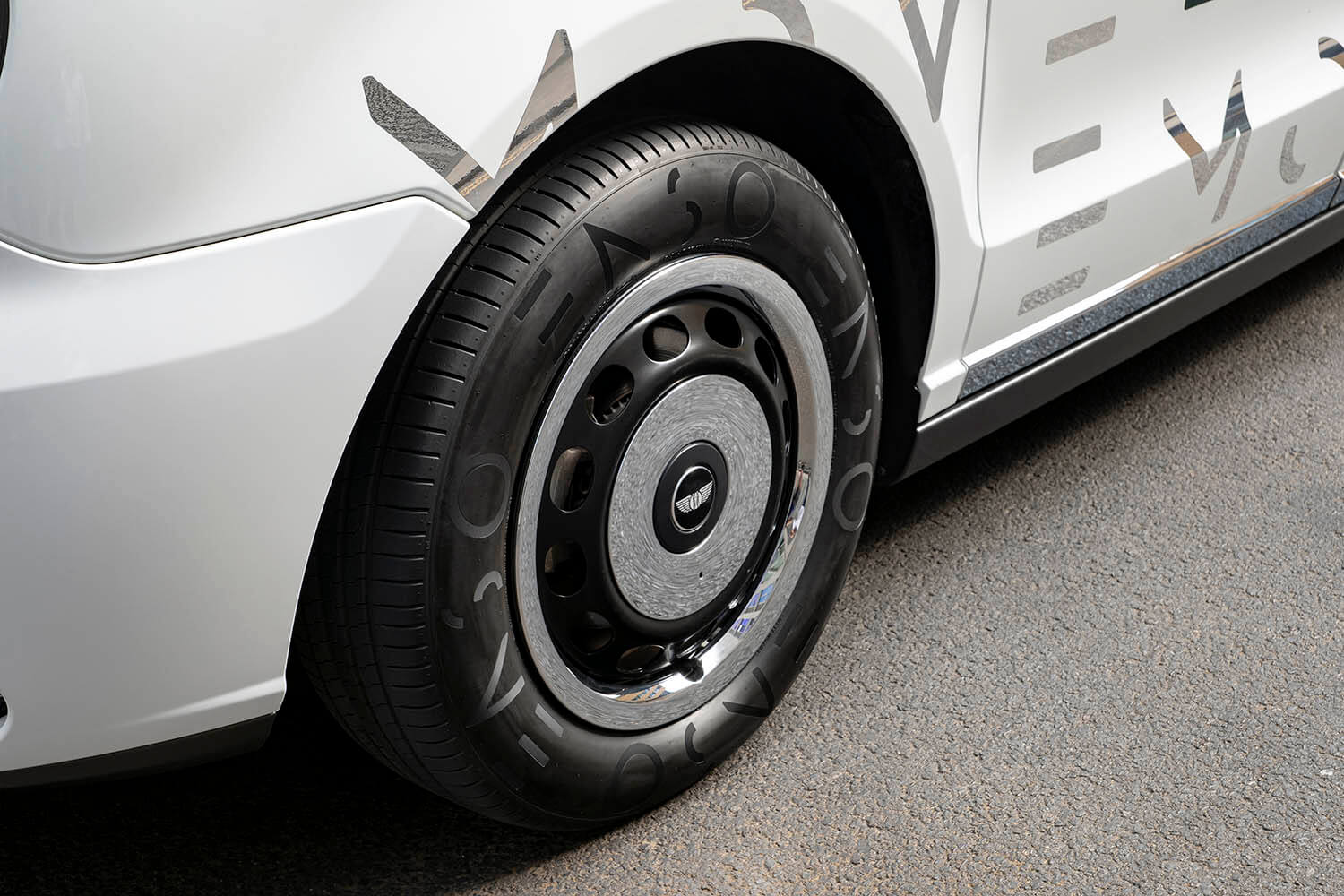
In January 2025, Enso Tyres Ltd., a London-based company, teamed up with i247 Group to make special tires for electric vehicles (EVs) more available across the UK.

This partnership means that Enso’s EV tires will now be offered at over 4,000 fitting centers, including well-known places like Halfords.

Enso’s tires are designed to help EVs go farther and reduce pollution. Tests showed that these tires can increase an EV’s range by up to 10% and cut down on tiny particles released into the air by up to 35%.

The CEO of Enso, Gunnlaugur Erlendsson, said that choosing the right tire can save drivers money because they last longer and help cars use less energy. Sam Mason, the managing director of i247 Group, added that this partnership will help fleet operators keep their vehicles running efficiently and safely.

This collaboration is a big step forward in making sure that EV drivers across the UK have access to high-quality tires that are good for both their cars and the environment.

Works Cited

“Enso partners with i247 to expand EV tire network.” Electric & Hybrid Vehicle Technology International, 27 Jan. 2025, https://www.electrichybridvehicletechnology.com/news/enso-partners-with-i247-to-expand-ev-tire-network.html
Roberts, Gareth. “Enso deal to make EV tyres available nationwide.” Fleet News, 27 Jan. 2025, https://www.fleetnews.co.uk/news/enso-deal-to-make-ev-tyres-available-nationwide

In 2024, the tire industry saw big changes. CEAT, an Indian tire company, bought the Camso brand from Michelin for $225 million. This deal helps CEAT make more tires for big machines like tractors and bulldozers.

At the same time, Sumitomo Rubber closed its tire factory in Tonawanda, New York. This meant 1,550 workers lost their jobs. The company said it was because of money problems and old equipment.

Many tire companies are now trying to make their products in ways that are better for the environment. They are using new materials and methods to make tires that last longer and can be recycled.

These changes show that the tire industry is always moving forward. Companies are finding new ways to make better products and take care of the planet.

Works Cited

“Indian Tyremaker CEAT to Buy Camso Brand from France’s Michelin for $225 Mln.” Reuters, 6 Dec. 2024, https://www.reuters.com/business/indian-tyremaker-ceat-buy-camso-brand-frances-michelin-225-mln-2024-12-06/.

“Sumitomo Rubber Closing Western New York Tire Plant and Cutting 1,550 Jobs.” AP News, 7 Nov. 2024, https://apnews.com/article/eca656952c5da8c32a1ca2e0c1b93975.

Revving Up the Past: The Booming Aftermarket for Vintage Vehicles

Classic cars from before 1990 are making a big comeback. Owners love their style and history. But keeping these old cars running can be tough. That’s where the growing aftermarket industry steps in, offering new parts to keep these vintage rides on the road.

Why It’s Important

• Preserving History: These cars are a piece of the past. New parts help keep them alive for future generations.

• Community Growth: More people are joining the classic car hobby, thanks to easier access to replacement parts.

What’s New

• Modern Transmissions: Companies like TREMEC offer new manual transmissions that fit old cars, giving them better performance.

• Advanced Transfer Cases: For those who love vintage trucks, Atlas provides transfer cases that improve durability and off-road capabilities.

What You Can Do

1. Upgrade Smartly: Choose parts that improve your car’s performance without losing its classic charm.

2. Join the Community: Connect with other classic car enthusiasts online or at local events to share tips and experiences.

3. Stay Informed: Keep up with the latest products and innovations to make the best choices for your vehicle.

The love for vintage vehicles is stronger than ever. With the right parts and community support, these classic cars will keep cruising for years to come.

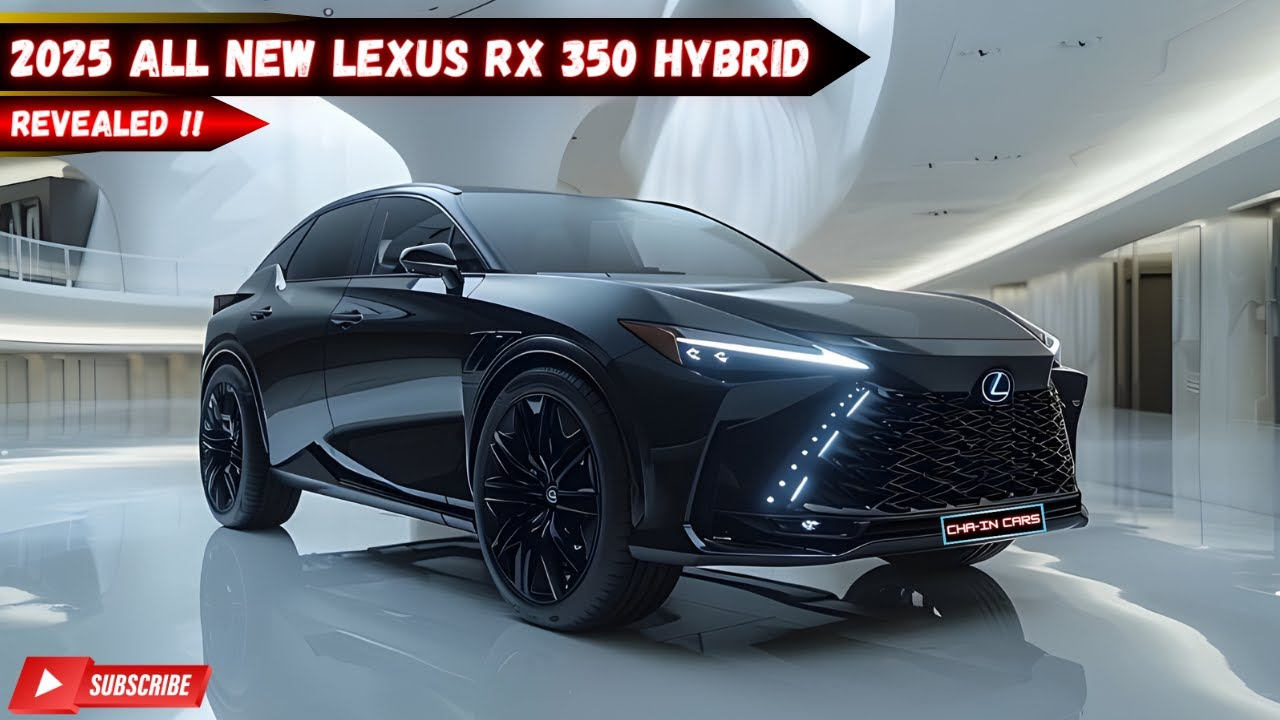
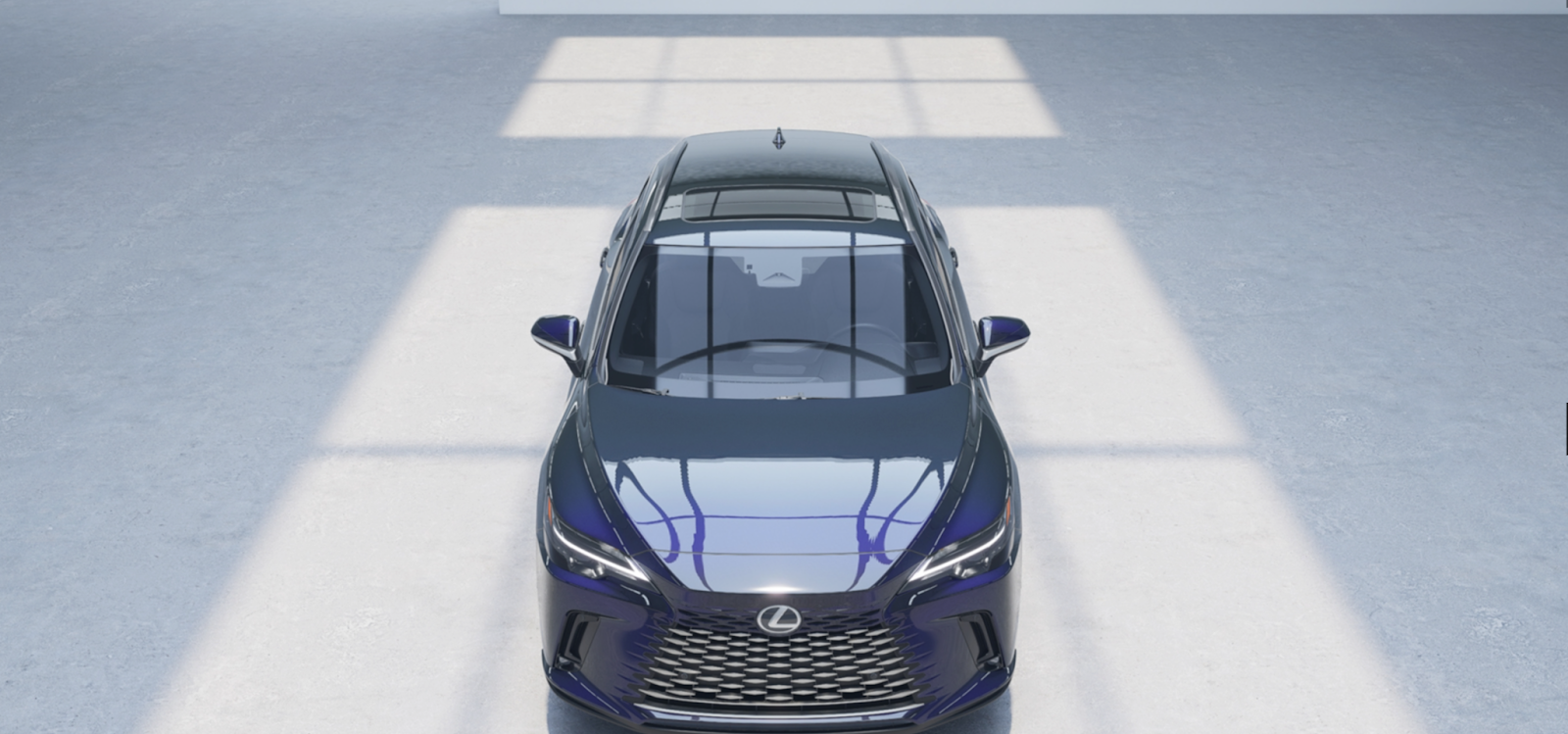
The 2025 Lexus RX 350 Reimagined

The 2025 Lexus RX 350 already makes a statement, but a digital reimagining is pushing it to the edge of bold design. Picture this: a Shadow Line trim with all the chrome swapped out for a sleek black finish, a lowered suspension that plants it firmly on the road, and custom wheels that feel more like art than function.

It’s aggressive, modern, and surprisingly fresh for an SUV—a space that’s not always known for pushing boundaries.

This design speaks to where the automotive world is headed. People want more than just utility; they want their cars to reflect their style, their edge, their personality.

Could Lexus take notes? Maybe. SUVs are evolving, and the line between luxury and individuality is getting thinner every day.

What do you think—should cars like this stay grounded in their roots, or is it time to fully embrace this bold, expressive direction?

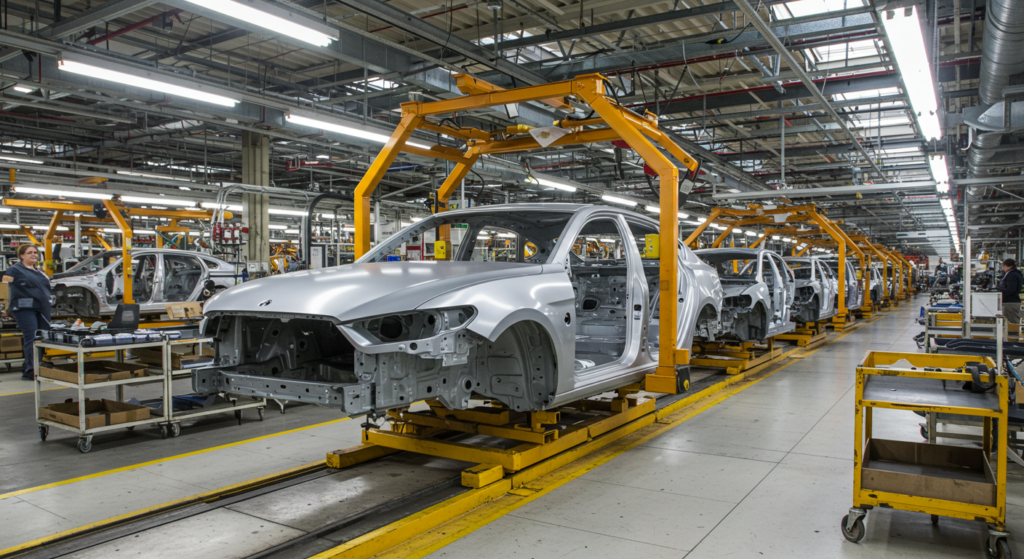
Volkswagen Surrenders to China? The Shocking EV Move Rocking Germany!

Imagine this: You’re sitting across from a Volkswagen executive, and they lean in, saying, “We’re opening our doors to Chinese EV manufacturers… in Germany.” Surprised? You’re not alone. This marks a seismic shift in the global automotive industry, and it’s a story worth unpacking.

Here’s the deal. Volkswagen is in talks with Chinese EV manufacturers to form joint ventures right in the heart of Germany. Think about it: factories like Dresden and Osnabrueck—iconic symbols of German engineering—might soon be producing Chinese electric cars. Yes, you read that right.

Why? Because the rules of the game have changed. Chinese EV makers are dominating the global stage with competitively priced, tech-packed models. Europe’s import tariffs make it costly to bring these vehicles here, so why not build them locally? Meanwhile, Volkswagen has excess factory capacity and declining sales for certain models. A match made in… necessity?

A strategic retreat or a smart pivot?

Some call it a retreat—a sign that Volkswagen is conceding ground to Chinese manufacturers. Others see it as a brilliant, pragmatic move. Instead of fighting an uphill battle, Volkswagen is leveraging this partnership to adapt, stay relevant, and even gain a piece of the rapidly growing EV pie.

Let’s talk numbers:

• Factories like Osnabrueck could see a second life, producing cars under a joint Chinese-German venture.

• Jobs might be preserved, but the long-term question looms: at what cost to Germany’s automotive independence?

This isn’t just about cars. It’s about geopolitics, economics, and the future of an entire industry. Germany has been the bedrock of automotive innovation for decades. By inviting China into this space, Volkswagen is walking a tightrope—balancing short-term survival with potential long-term risks.

Here’s my take:

This move reflects the urgency of adapting to new realities. The EV race is global, and sitting still is no longer an option. Volkswagen’s pivot isn’t just a reaction—it’s a signal to the entire industry that collaboration (even with the competition) might be the key to staying alive.

But I want to know—what do YOU think?

• Is this a bold move that secures the future of German automotive jobs?

• Or is it a slippery slope toward losing control of a cornerstone industry?